CU Boulder  |  EVEN 2909 — The Mortenson Center
← Course Home
OVERVIEW MODE — Press Escape or click a slide to return

The Mortenson Center in
Global Engineering & Resilience

College of Engineering & Applied Science — University of Colorado Boulder

Engineering Equitable Access for All

EVEN 2909 — Introduction to Sustainability Engineering

The Mortenson Center at a Glance

300+
Graduate Alumni Since 2006
500+
Undergraduate Alumni Since 2013
5M+
People Served
30+
Countries
80+
Partners

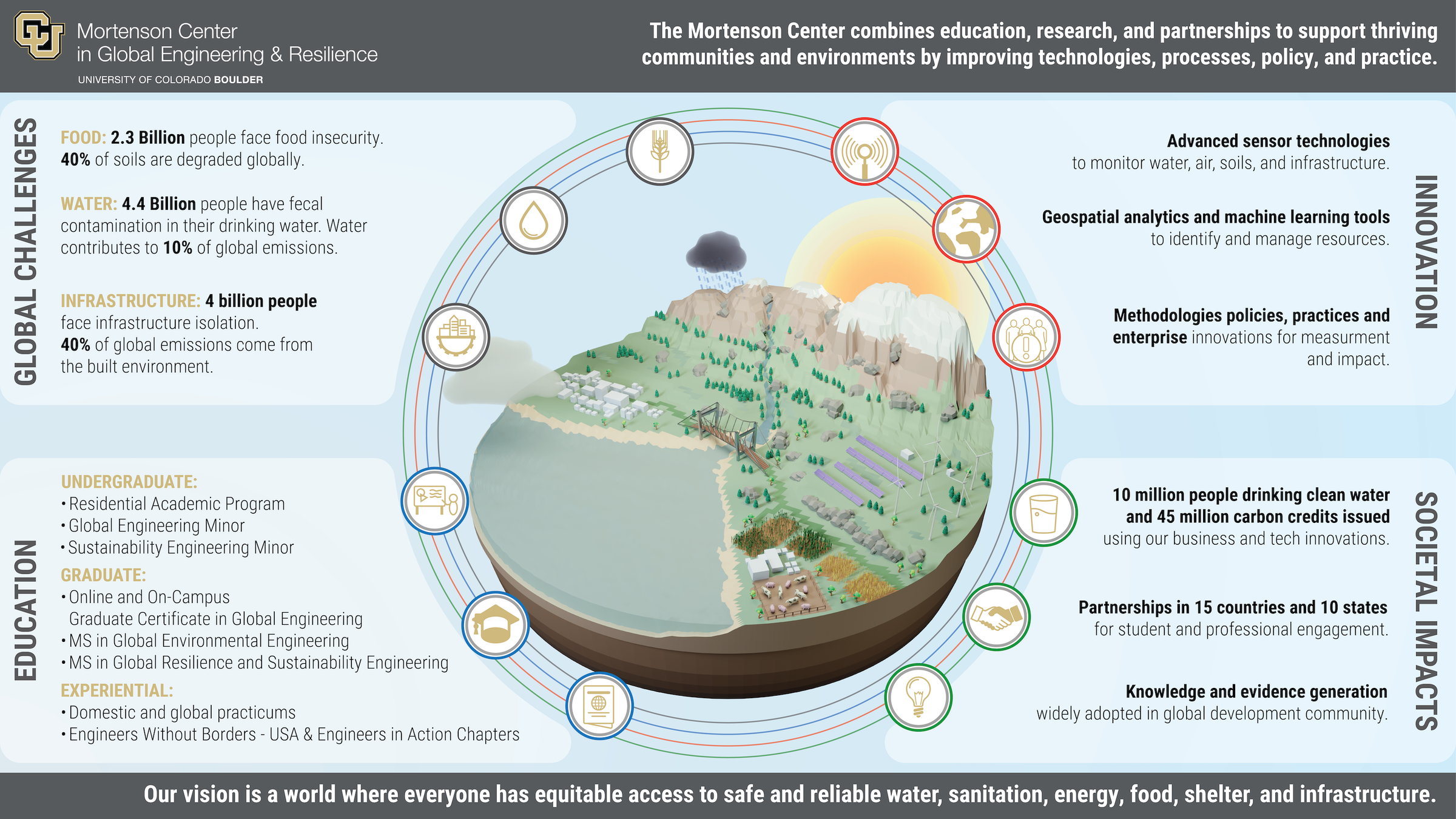
Center Infographic

Mortenson Center Overview Infographic

Leadership & Faculty

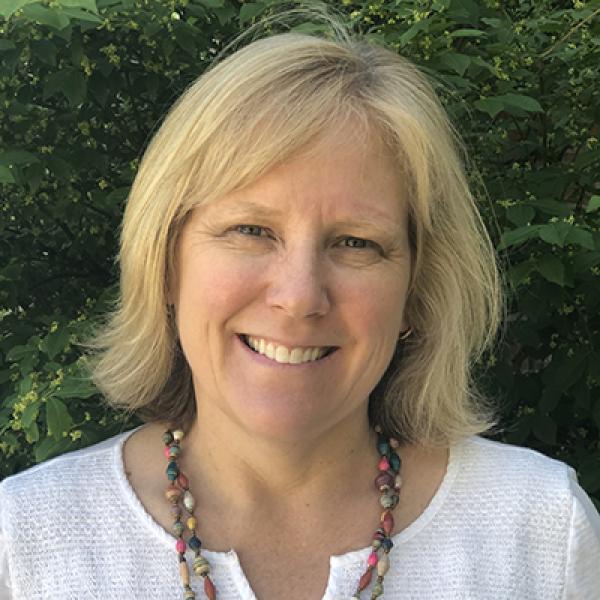
The Mortenson Center brings together faculty from Civil, Mechanical, Aerospace, and Environmental Engineering, as well as Environmental Studies.
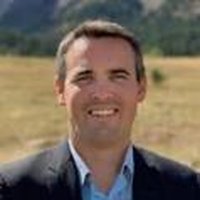
Evan Thomas

Evan Thomas, PhD, PE, MPH

Director & Mortenson Endowed Chair. Professor in CEAE and Aerospace.
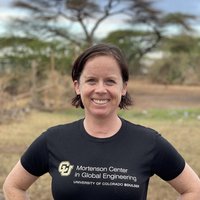
Laura MacDonald

Laura MacDonald, PhD

Managing Director. Water quality & climate finance research.
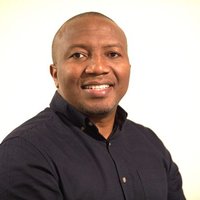
Denis Muthike

Denis Muthike, PhD

Associate Director, Global Engineering RAP. Hydroclimatology.
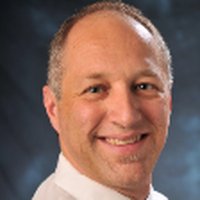
Karl Linden

Karl G. Linden, PhD

Associate Director & Mortenson Professor. WASH Systems.
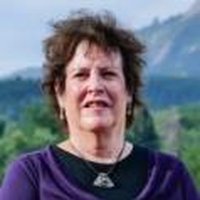
Rita Klees

Rita Klees, PhD

Associate Director, Outreach. Professor of Engineering Practice.
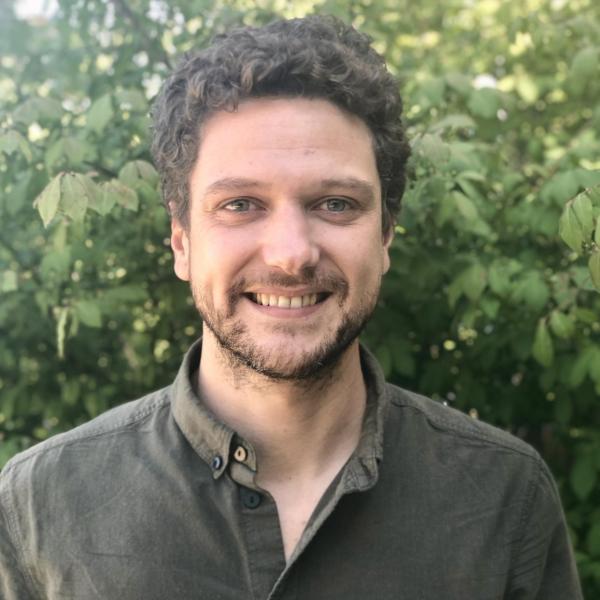
Carlo Salvinelli

Carlo Salvinelli, PhD

Faculty Fellow. Associate Teaching Professor.
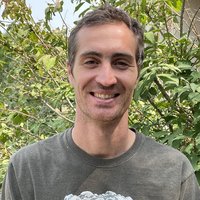
Zia Mehrabi

Zia Mehrabi, PhD

Faculty Fellow. Asst. Professor, Environmental Studies.
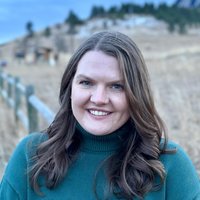
Grace Burleson

Grace Burleson, PhD

Faculty Fellow. Asst. Professor, Mechanical Engineering.
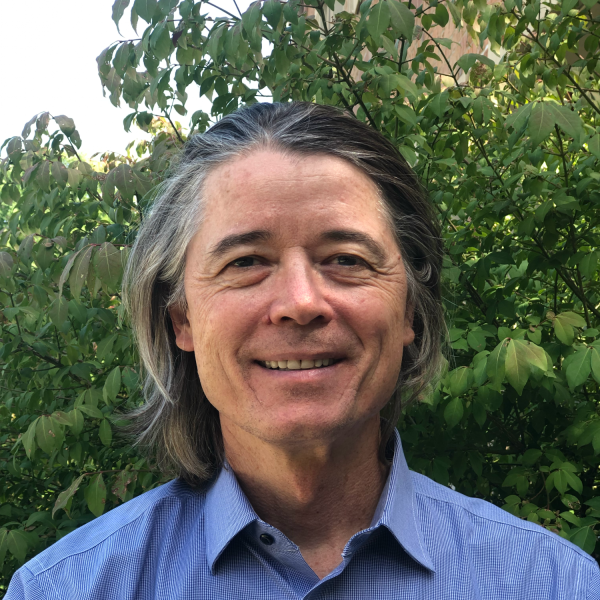
Gunars Platais

Gunārs Platais, PhD

Adjunct Associate Professor.

Faculty & Staff
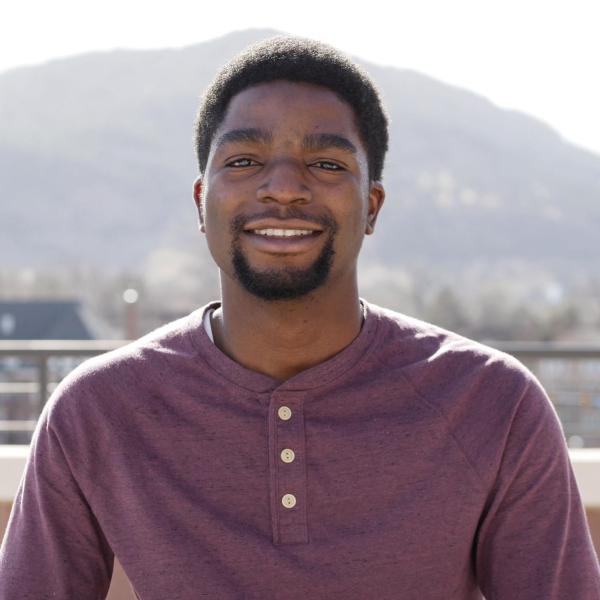
John Edem Ecklu

John Edem Ecklu, PhD

Postdoctoral Associate. Climate finance & water insecurity.
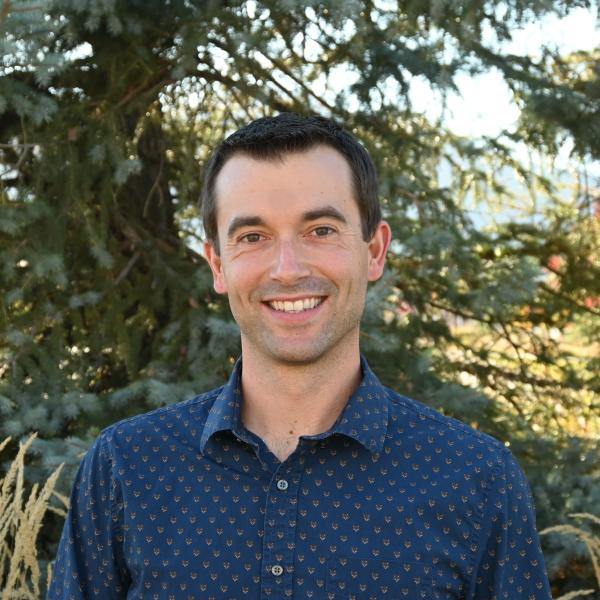
James Harper

James Harper, PhD

Faculty Fellow. Asst. Professor, Mechanical Engineering.
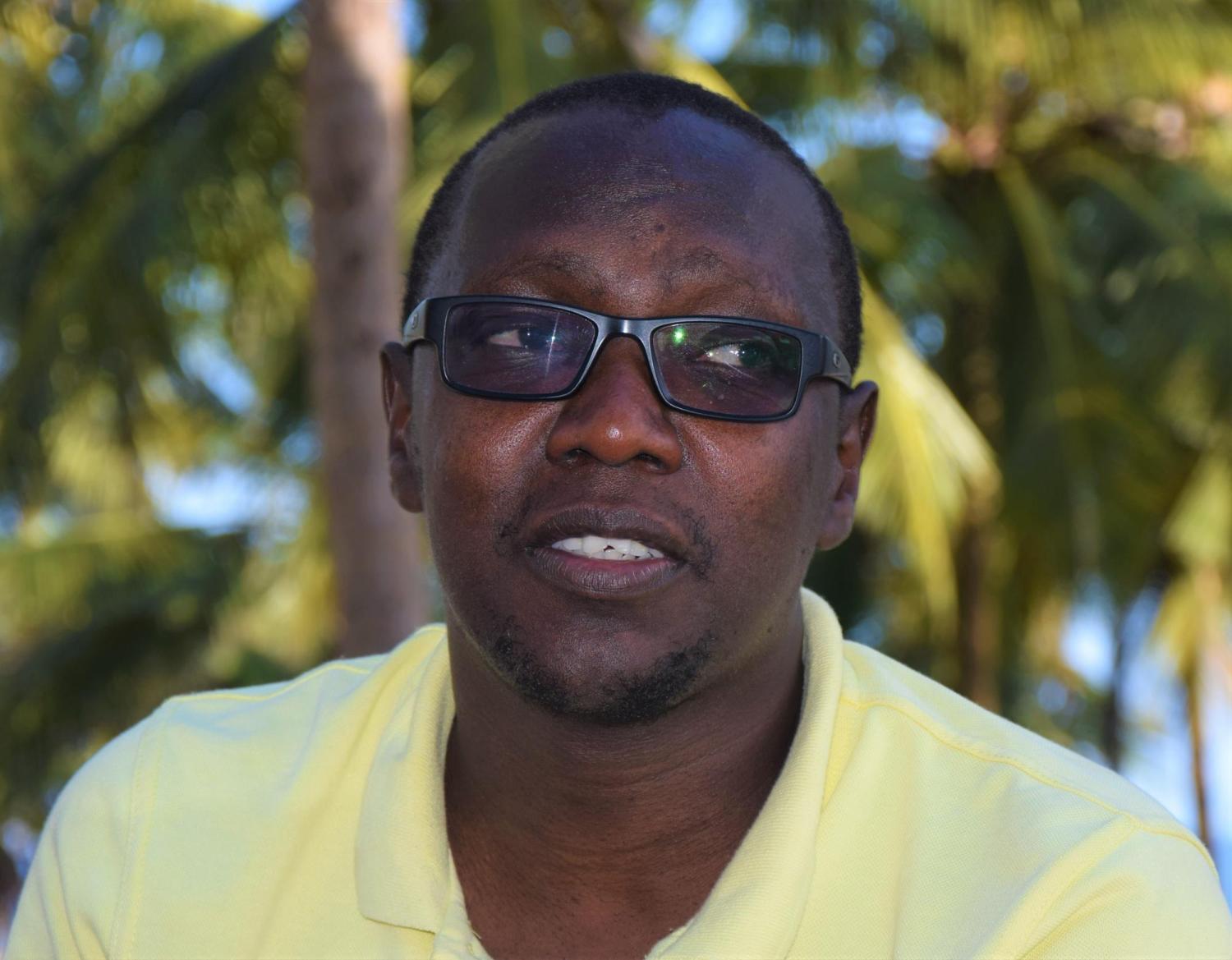
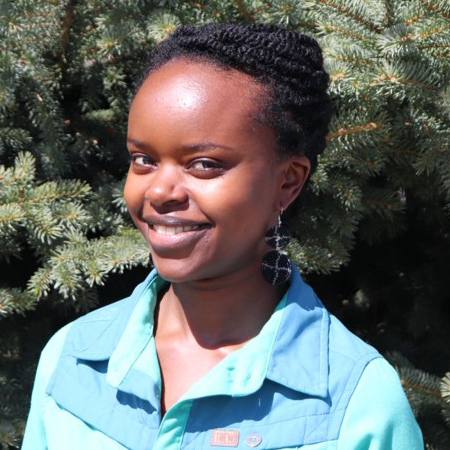
Styvers Kathuni

Styvers Kathuni

Affiliate. PhD Candidate, Civil Engineering.
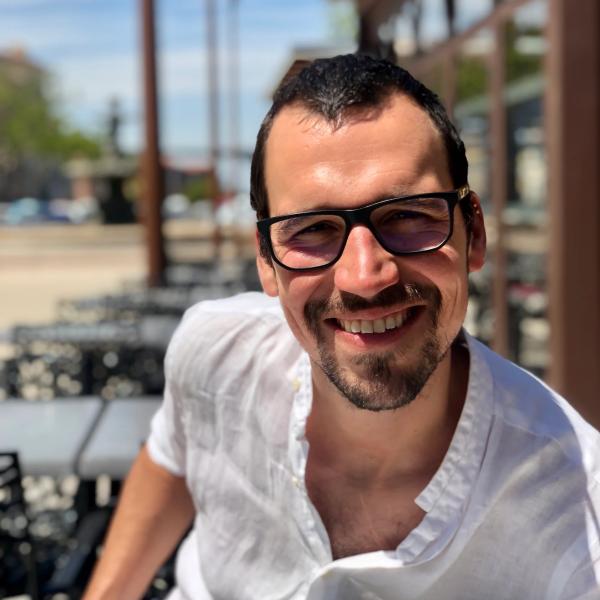
Lars Schobitz

Lars Schobitz

Faculty Fellow. Data Science Instructor.
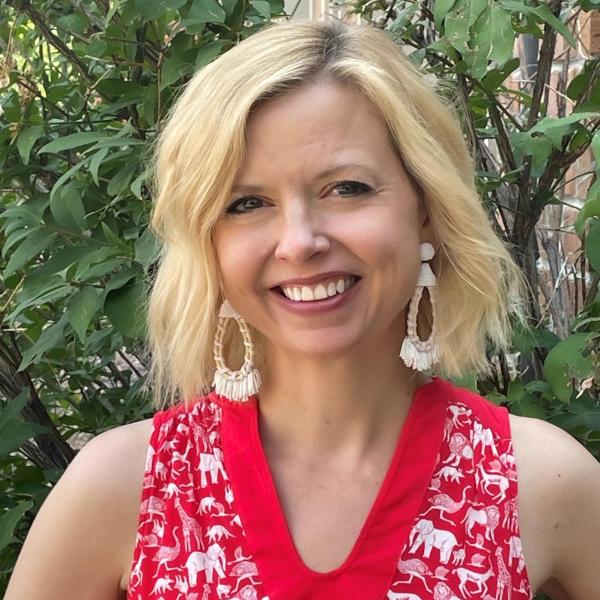
Sarah Goodroad

Sarah Goodroad

Program Coordinator.

Nancy Wright

Nancy Wright, MS

Financial Manager.

Chantal Iribagiza

Chantal Iribagiza, PhD

Research Associate. WASH & clean energy, East Africa.
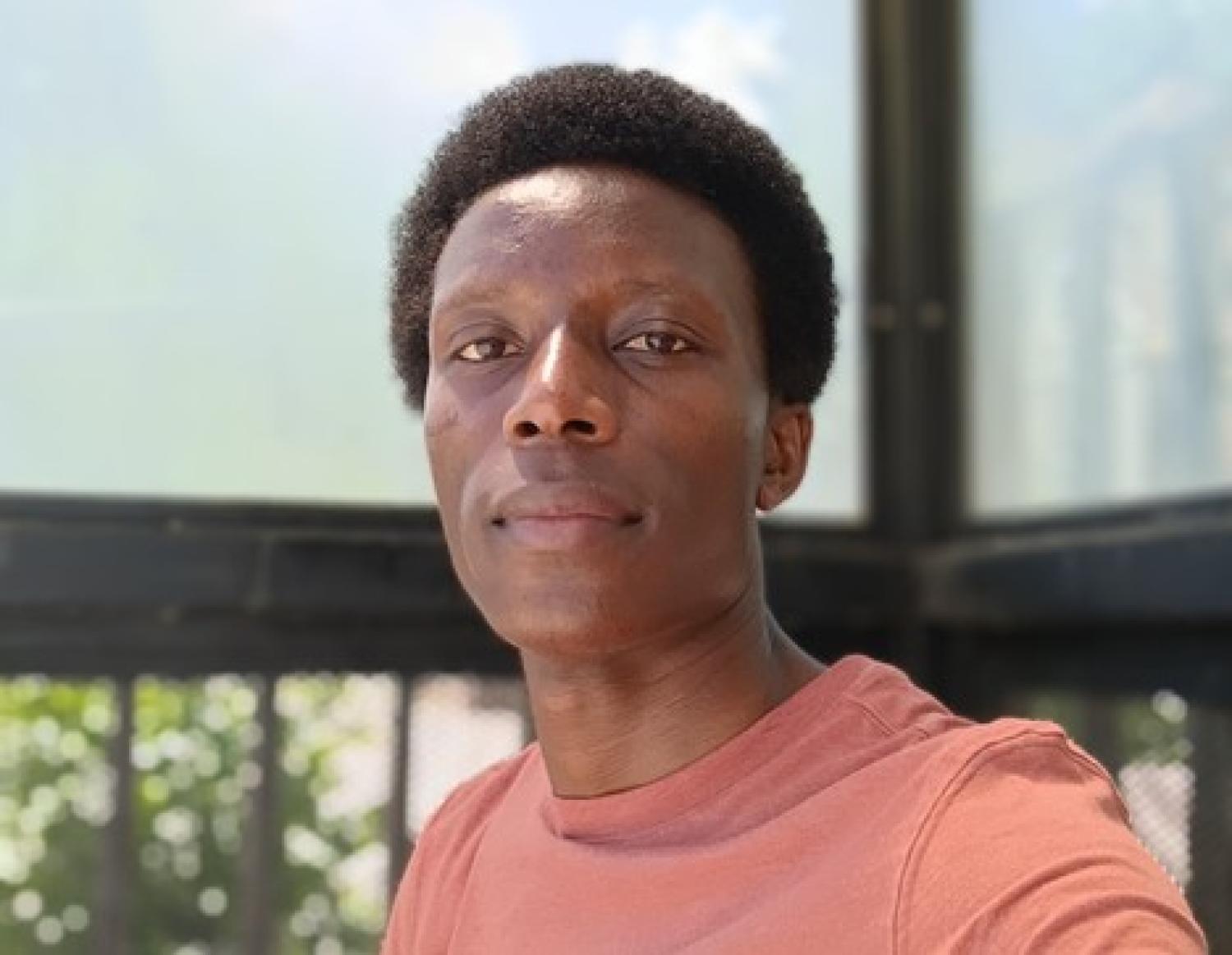
Arnold Bugingo

Arnold Bugingo

Professional Master’s Student. Bridges to Prosperity.

Whitney Knopp

Whitney Knopp, MS, EI

PhD Candidate. Water security, Horn of Africa.

Our Advisory Board

Guided by leaders from the Gates Foundation, Engineers Without Borders, MIT, Emory, UNC, and other institutions working at the intersection of engineering and global development.
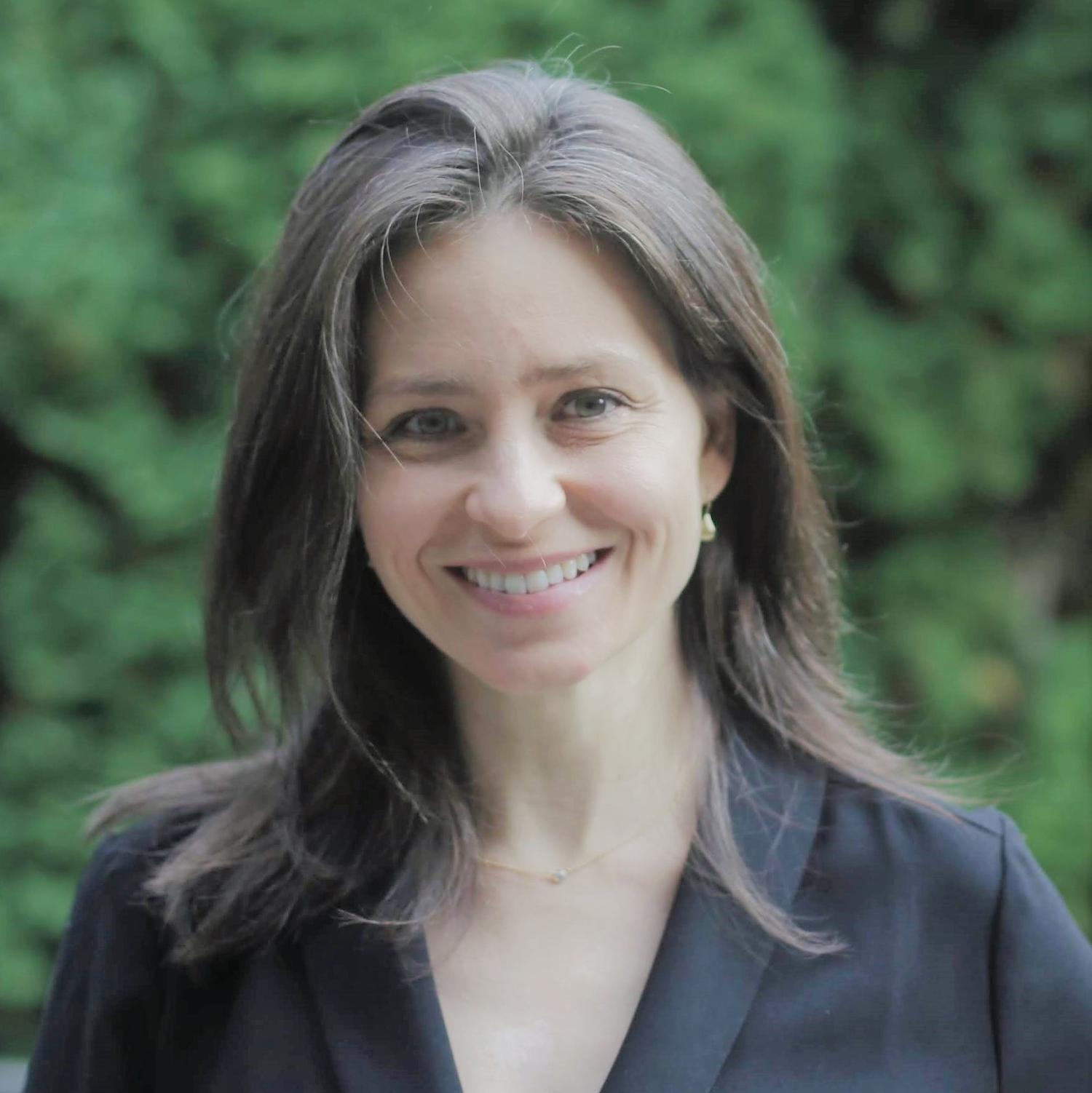
Jenny Frankel-Reed

Jenny Frankel-Reed

Bill & Melinda Gates Foundation

Senior program leader in global development, health, and equity.
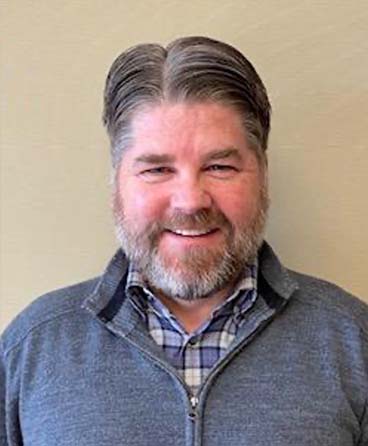
Mark Mortenson

Mark Mortenson

Mortenson Family

Represents the Mortenson family’s commitment to engineering education.
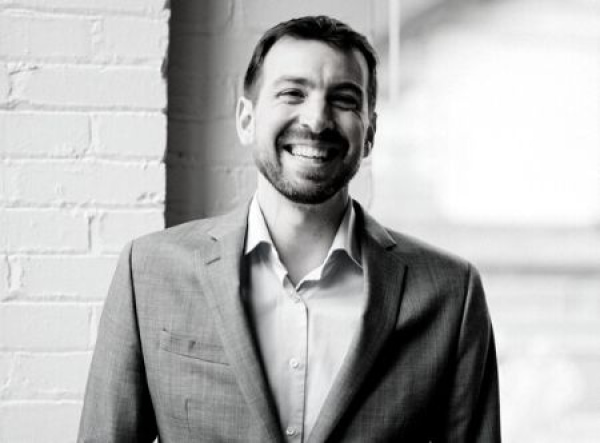
Boris Martin

Boris Martin

CEO, Engineers Without Borders-USA

Community-driven infrastructure in low-income settings.
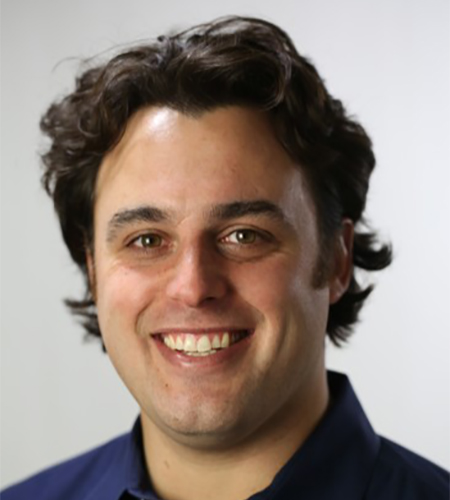
Amos Winter

Amos Winter, PhD

MIT

Professor of Mechanical Engineering; Global Engineering and Research Lab.
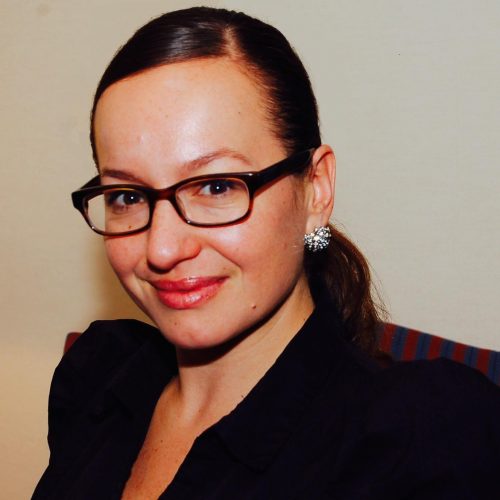
Iana Aranda

Iana Aranda

President, Engineering for Change / ASME

Human-centered engineering for global development.
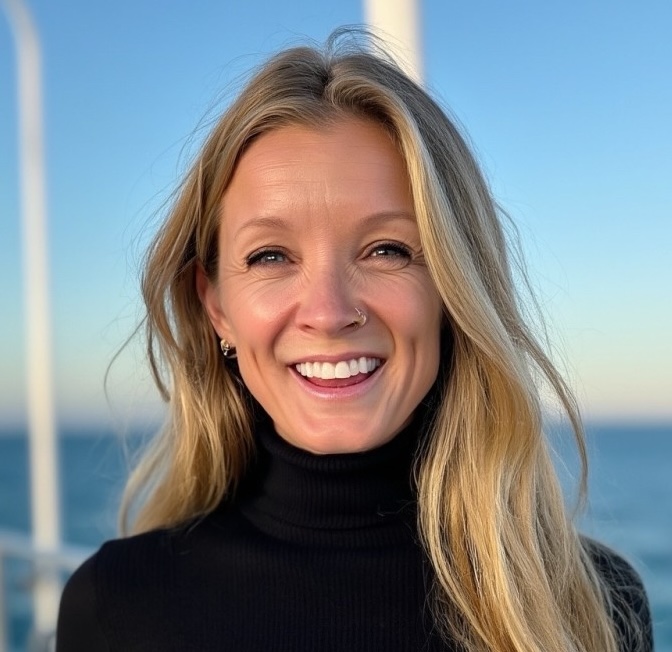
Avery Bang

Avery Bang

Managing Director, Mulago Foundation

High-impact social ventures. Former CEO of Bridges to Prosperity.
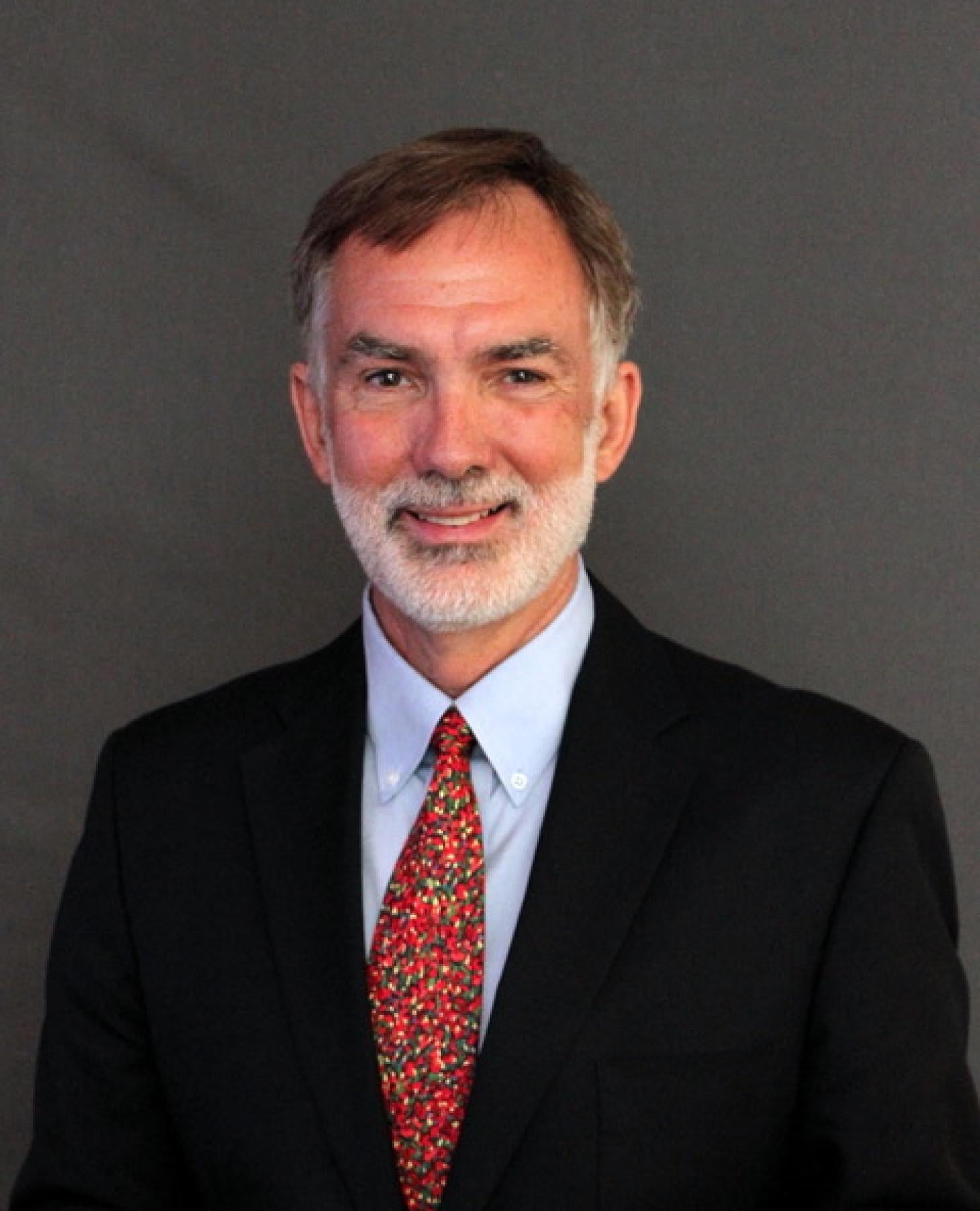
Tom Clasen

Tom Clasen, PhD

Emory University

Gangarosa Professor. WASH and household air pollution. WHO advisor.
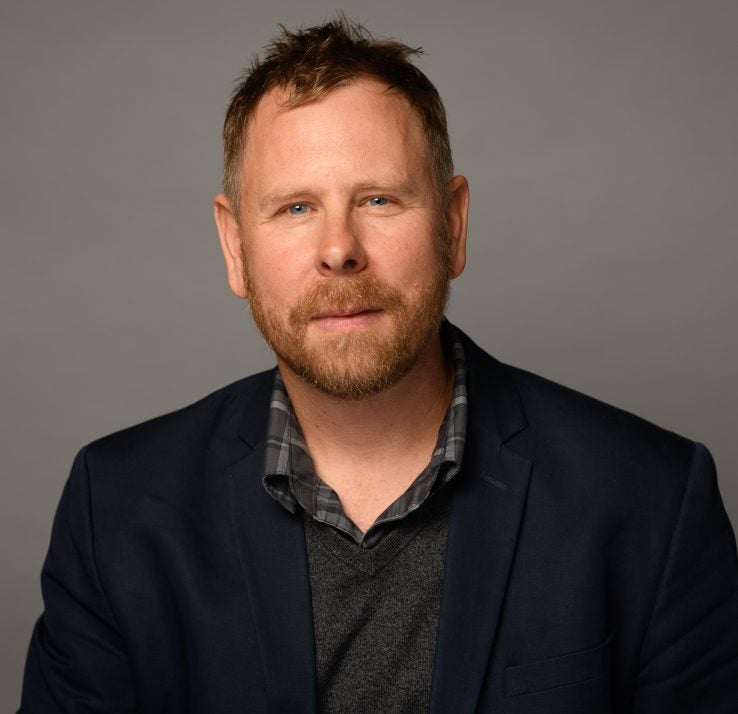
Joe Brown

Joe Brown, PhD, PE

UNC Chapel Hill

Professor, Environmental Sciences & Engineering. UNC Water Institute.
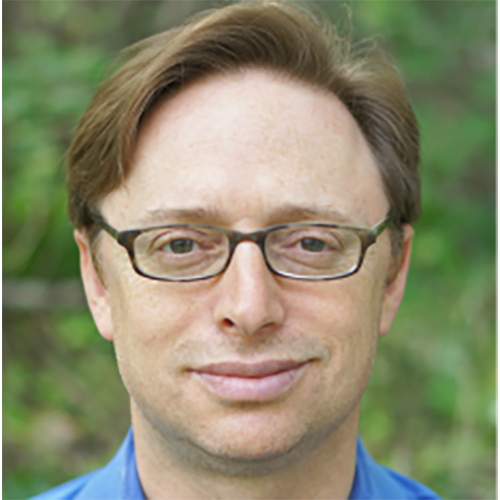
John Simon

John Simon (visiting)

Total Impact Capital

Former U.S. Ambassador to the African Union; EVP, OPIC.

Education Programs

Multiple entry points for students interested in global engineering and sustainability.

Global Engineering RAP

~50 on-campus first-year & returning members + ~50 off-campus each year. Since 2013.

Undergraduate Minors

Global Engineering Minor (~40/year). Plus campus-wide Sustainability Minor with the Center providing the core course.

Online & On-Campus Graduate Certificate

12-credit online or in-person. Students from Rwanda, Kenya, Ghana, Ethiopia, Turkey, Armenia. 9 credits transfer into MS.

Professional MS: Resilience & Sustainability

Climate, geospatial analytics, hazard-resilient infrastructure. With Env. Studies & Leeds School of Business.

Professional MS: Environmental Engineering

Water chemistry, microbiology, WASH, household energy. Alumni across State Dept., USAID, Water for People, B2P.

Scholarships & Support

10–15 graduate and 10–15 undergrad students supported yearly through apprenticeships, scholarships, and fellowships.

Community & Connection

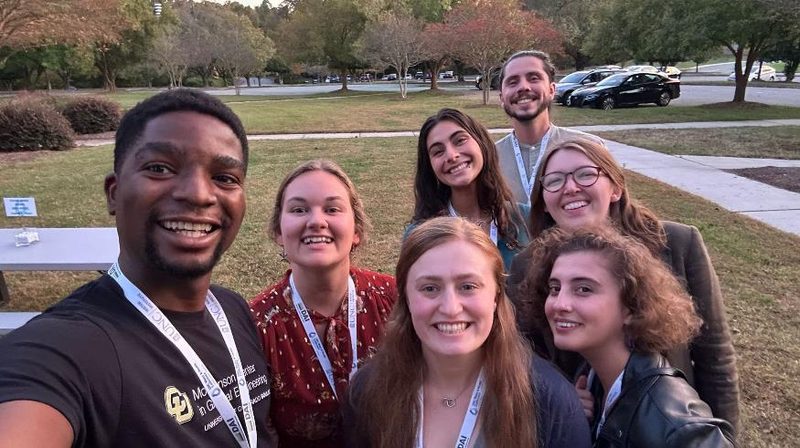
RAP group
The Mortenson Center program has been the highlight of my academic experience. The community is very supportive, the classes prepared me for a career in global development, and the practicum is a unique opportunity.— J. Darby '24
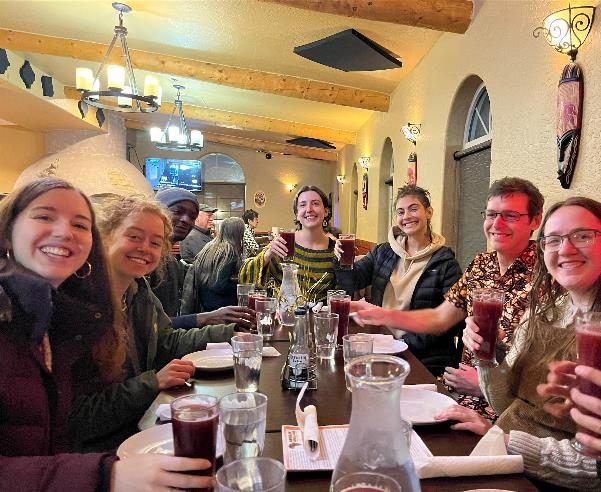
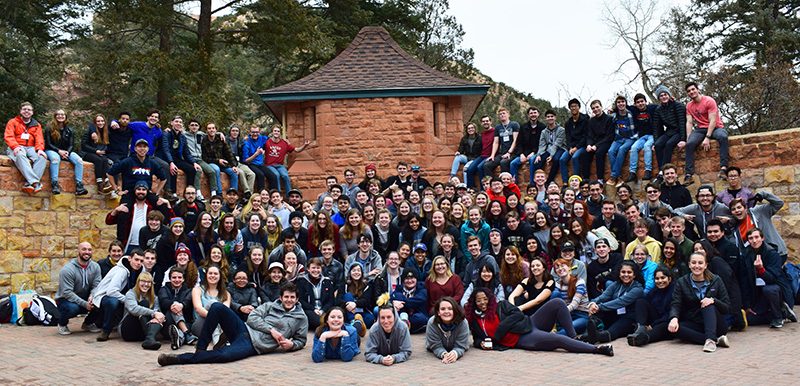
Students Conference

Our Courses

The Mortenson Center curriculum spans semester-long courses, undergraduate requirements, and modular topics in humanitarian engineering and development methods.

Semester Courses

  • CVEN 5919 — Global Development for Engineers
  • CVEN 5939 — Global Engineering & Hazard Resilience Practicum
  • CVEN 5969 — Water, Sanitation and Hygiene
  • CVEN 5909 — Hazards, Resilience & Sustainability
  • MCEN 5299 — Household Energy Systems in the Global South

Undergraduate

  • GEEN 1400 — First Year Engineering Projects
  • EVEN 2909 — Introduction to Global Sustainability
  • CVEN 4969 — Water Security, Sanitation & Hygiene

Example Electives

Environmental Impact Assessment • Analytical Methods & Data Analysis • Design Research Theory • AI for Good • International & Comparative Education

Global Engineering Modules

Humanitarian Aid

Intro to Humanitarian Aid • Disaster Risk Reduction • Refugees & Displacement

Principles

Global Health Series • Environmental & Development Economics

Project Management

Program & Project Management • Solution Identification & Proposal Development

Methods

Community Appraisal • Study Design & Impact Evaluation • Data Analytics for Development

Practicum Partners

80+
Partners
30+
Countries
2–3
Month Placements
AquayaBridges to ProsperityCAREDar Si HmadEngineers in ActionEWBiDEMillennium Water AllianceMovement on the GroundOneVillageSanergyVirridyWater for People
Alaska Native Tribal HealthASPIREDig DeepCherokee Nation HousingJacobsPivot Clean EnergyWSP

Students in the Field

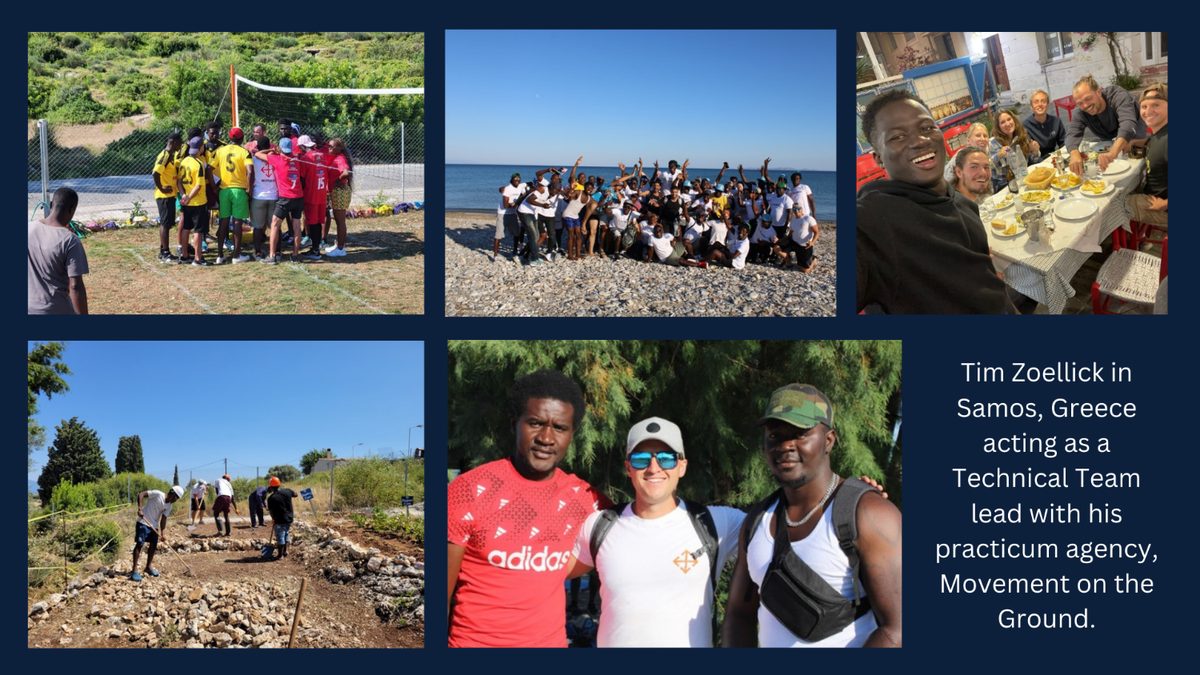
Collage
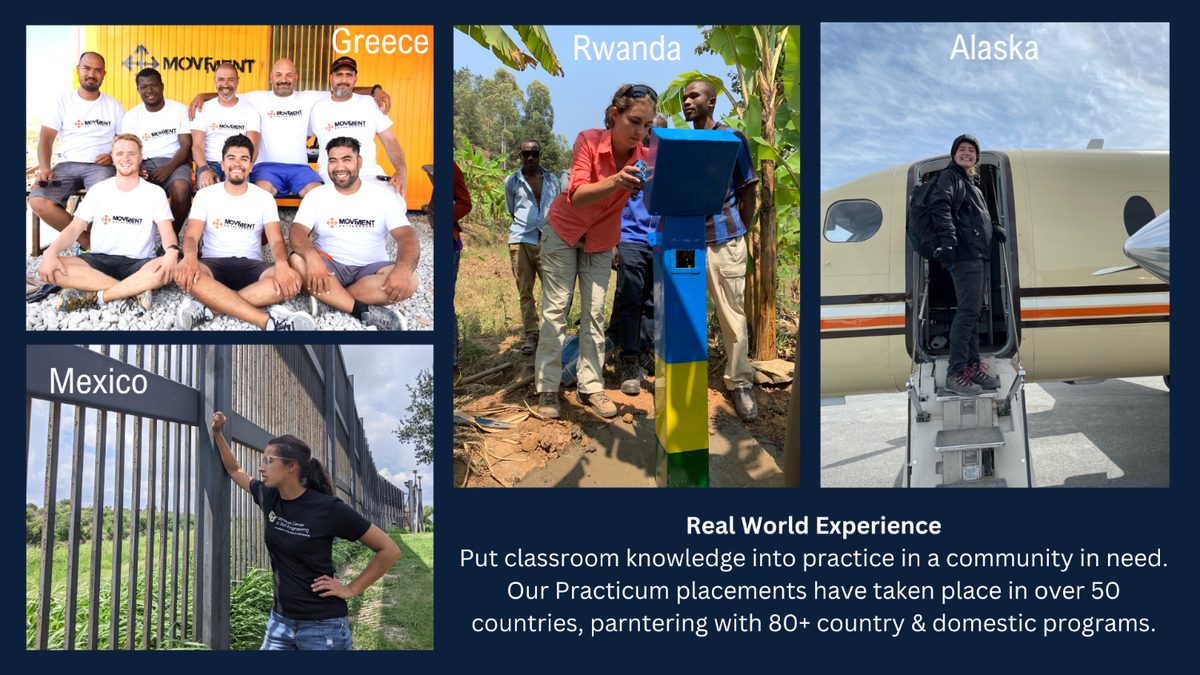
Real World Experience — Greece, Rwanda, Alaska, Mexico.
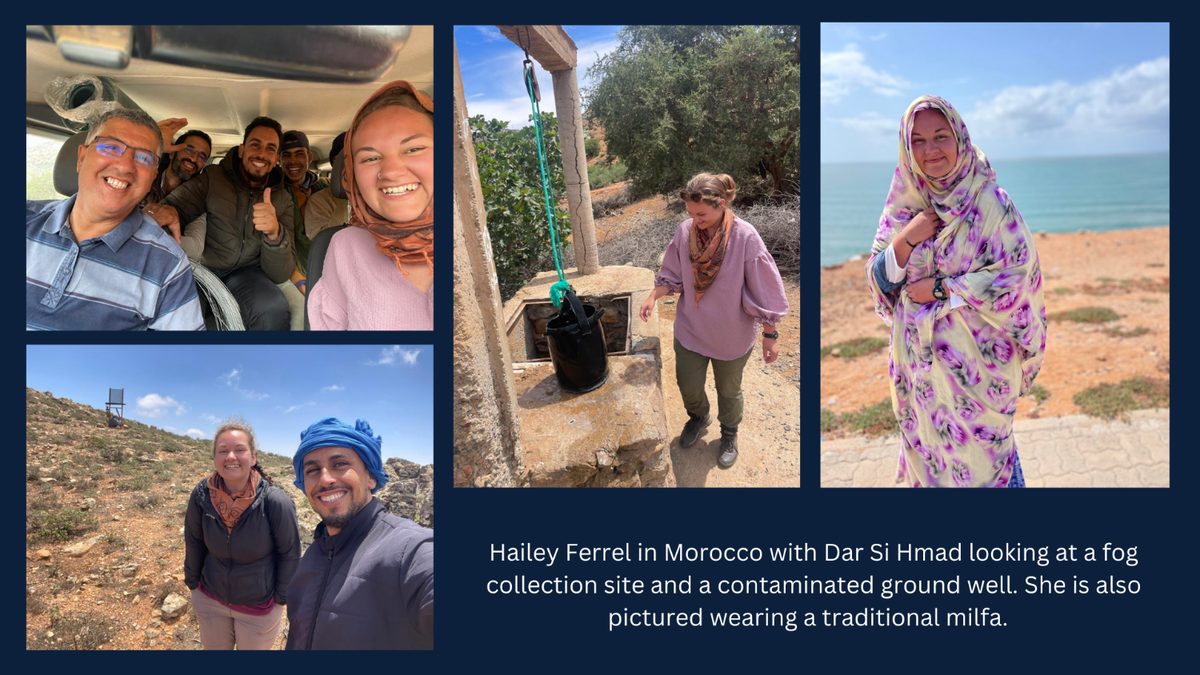
Morocco
Hailey Ferrel in Morocco — Fog collection with Dar Si Hmad.
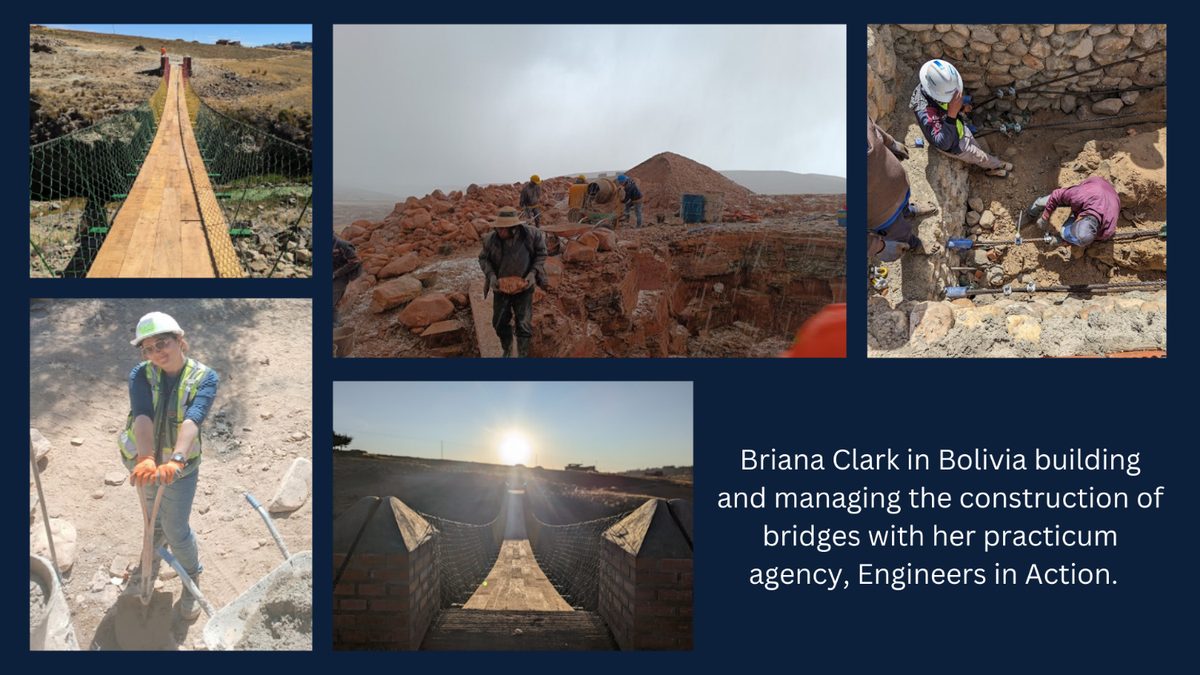
Bolivia
Briana Clark in Bolivia — Bridge construction with Engineers in Action.

Students in the Field

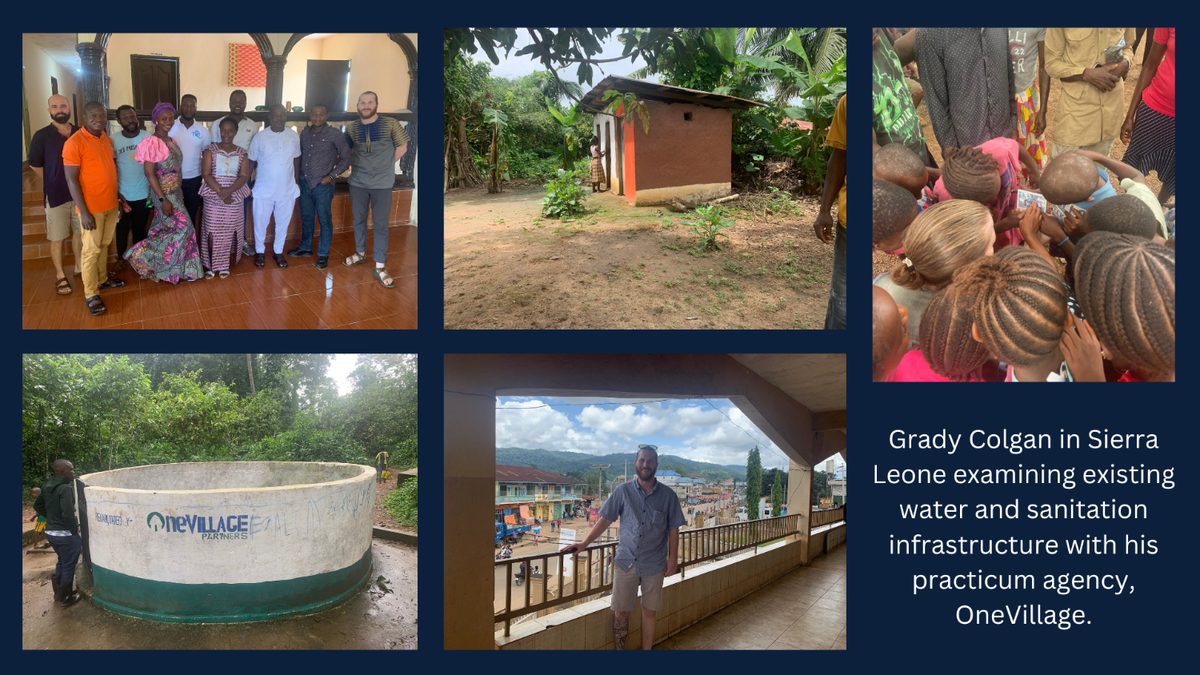
Sierra Leone
Grady Colgan in Sierra Leone — WASH with OneVillage.
Greece
Tim Zoellick in Samos — Movement on the Ground.
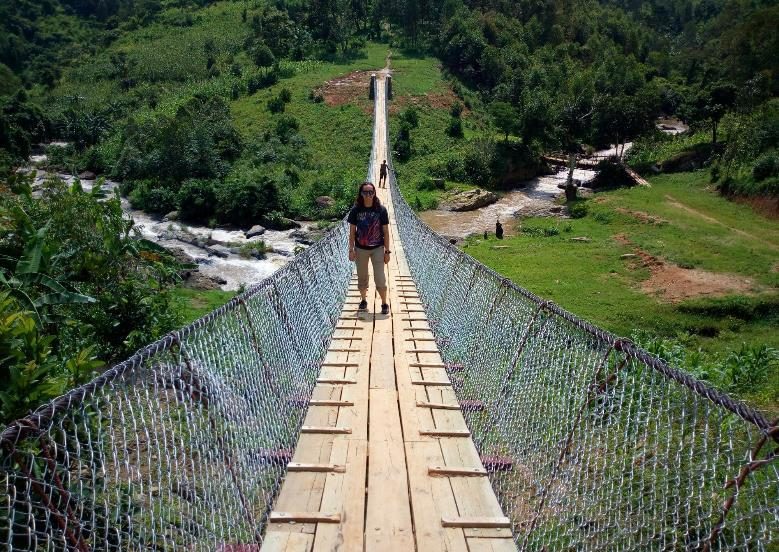
Bridge
Trail Bridge Practicum — Building critical community infrastructure.

Transformative Student Journeys

Mortenson Center students come from around the world and go on to careers in engineering, development, and research.
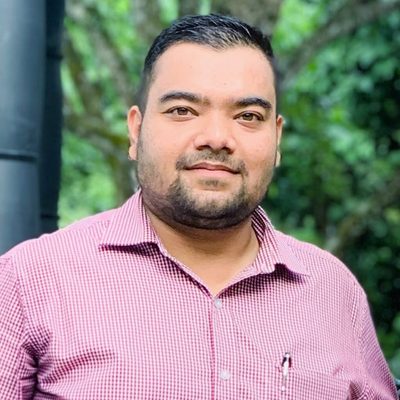
Manjeet Pandey

Manjeet Pandey

Nepal. First Online Certificate cohort on Mortenson scholarship. MS in Civil Eng. 2024. ASCE Top 10 New Faces of Civil Engineering. Now PM at Mortenson Construction, Denver.
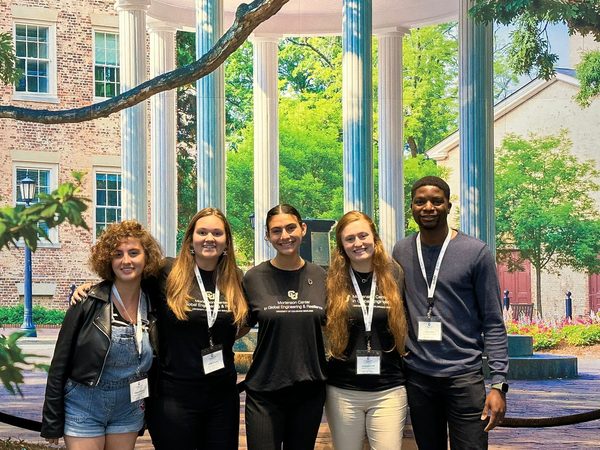
Fatma Koroglu

Fatma Köroğlu

Turkey. Full tuition scholarship. Professional MS 2024. Continuing work on the USAID-funded Mortenson Center Armenia Project.
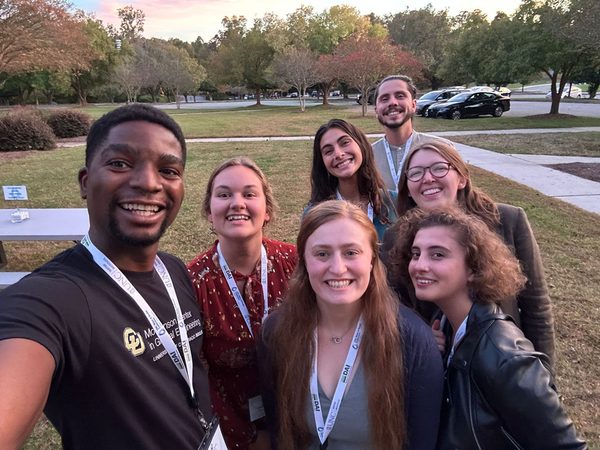
John Ecklu

John Edem Ecklu

Ghana. Professional MS → PhD student. Climate financing for water insecurity. 4 years WASH experience at TREND Group.

What I treasure most about the Mortenson Center is the community—both faculty and students foster an environment ripe for meaningful discussions on pressing global issues.— Diego Valdivieso

Food, Water & Infrastructure

2.3 billion people face food insecurity (FAO SOFI 2025). 2.1 billion lack safely managed drinking water (WHO/UNICEF JMP 2025).

Food Security
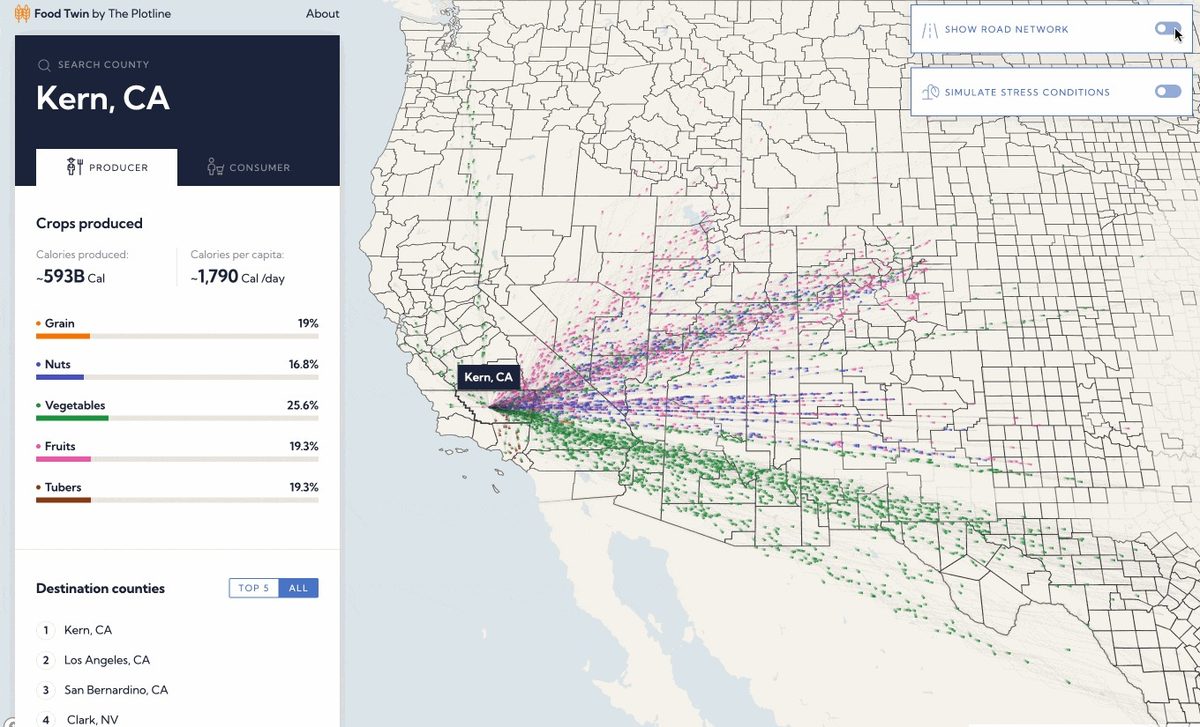
Food Twin

Food Security Modeling

Data science mapping food production, transport, and consumption networks. FarmGeek platform analyzing agricultural interventions worldwide.
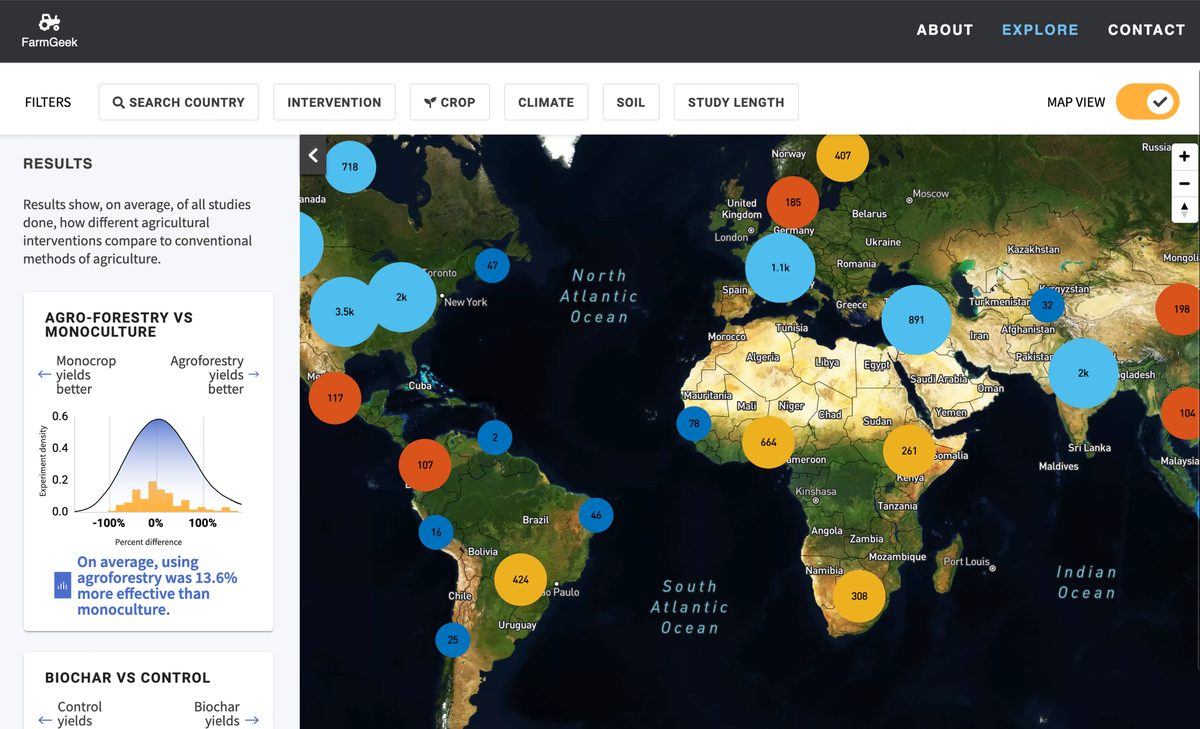
FarmGeek

Ceres2030

Evidence-based analysis determining the cost and strategies needed to end hunger by 2030. World Bank World Development Report contributor.
Climate adaptation

Climate Adaptation Atlas

Mapping climate adaptation for agriculture across E. & S. Africa. Dangerous heat, drought/flood extremes. NASA, USGS, NSF funded.

Water Research
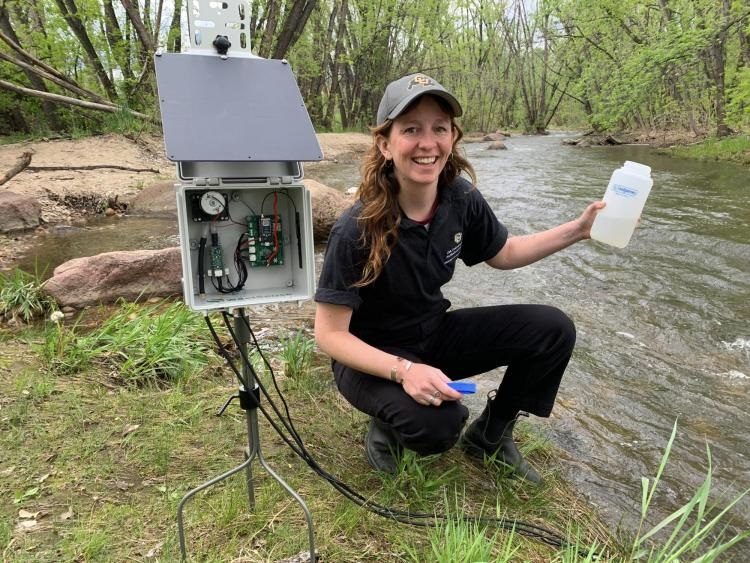
Water sensor

Water Security Monitoring

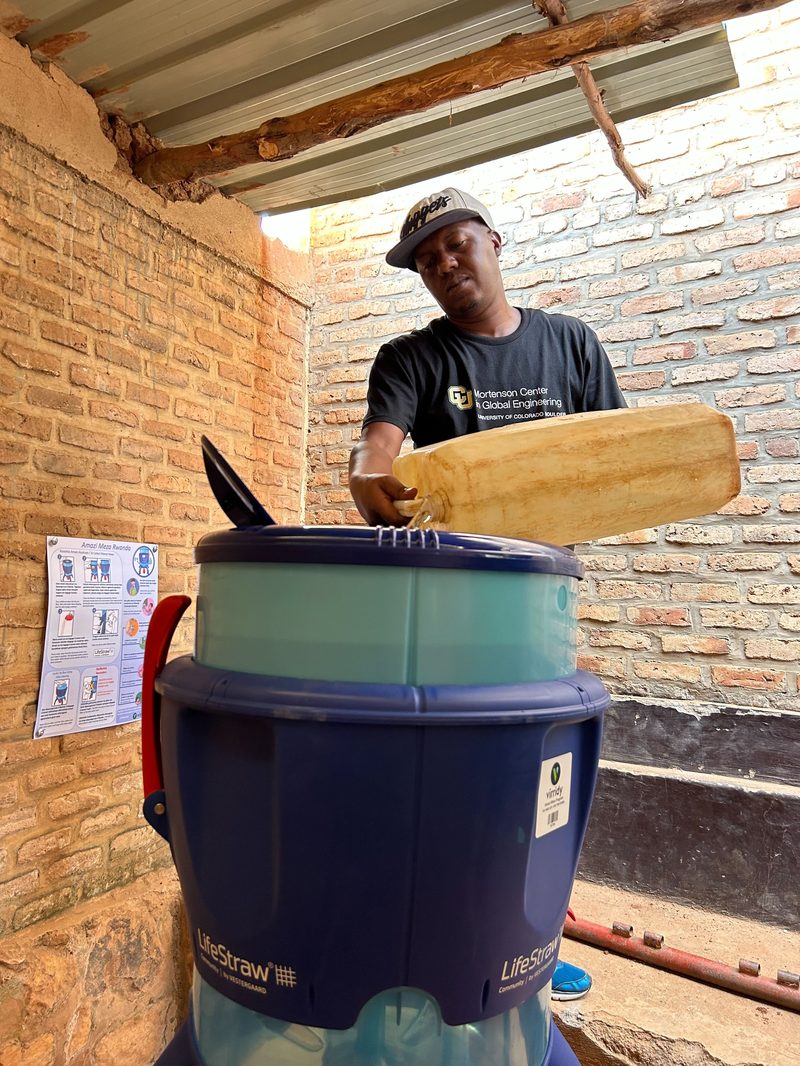
Tryptophan-like fluorescence and ML to detect E. coli in real time. Deployed in 10+ countries.
LifeStraw

Water Quality & Climate Finance

Performance-based financing and carbon credit revenue. 10M people drinking clean water, 45M carbon credits issued.
DRIP

DRIP — Drought Resilience

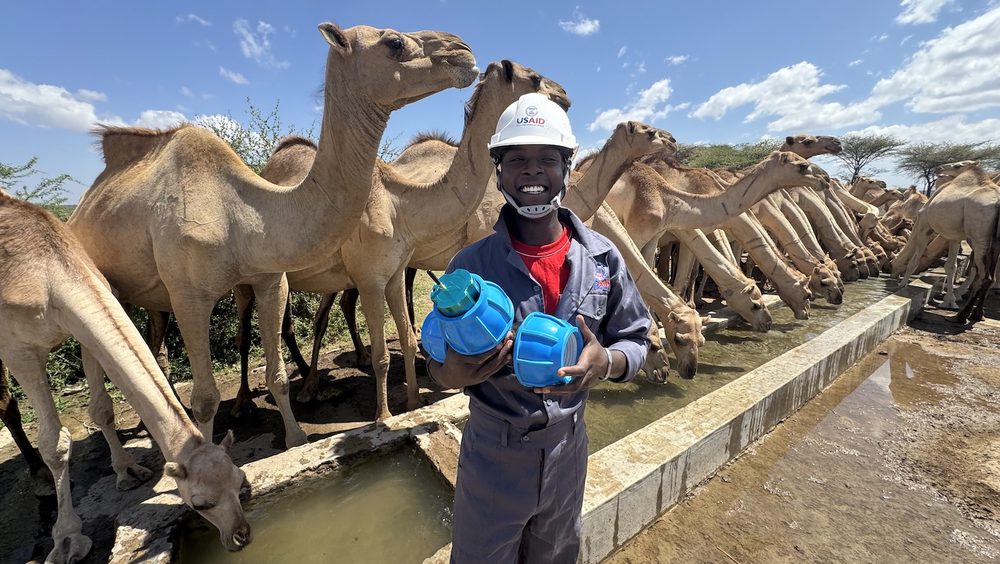
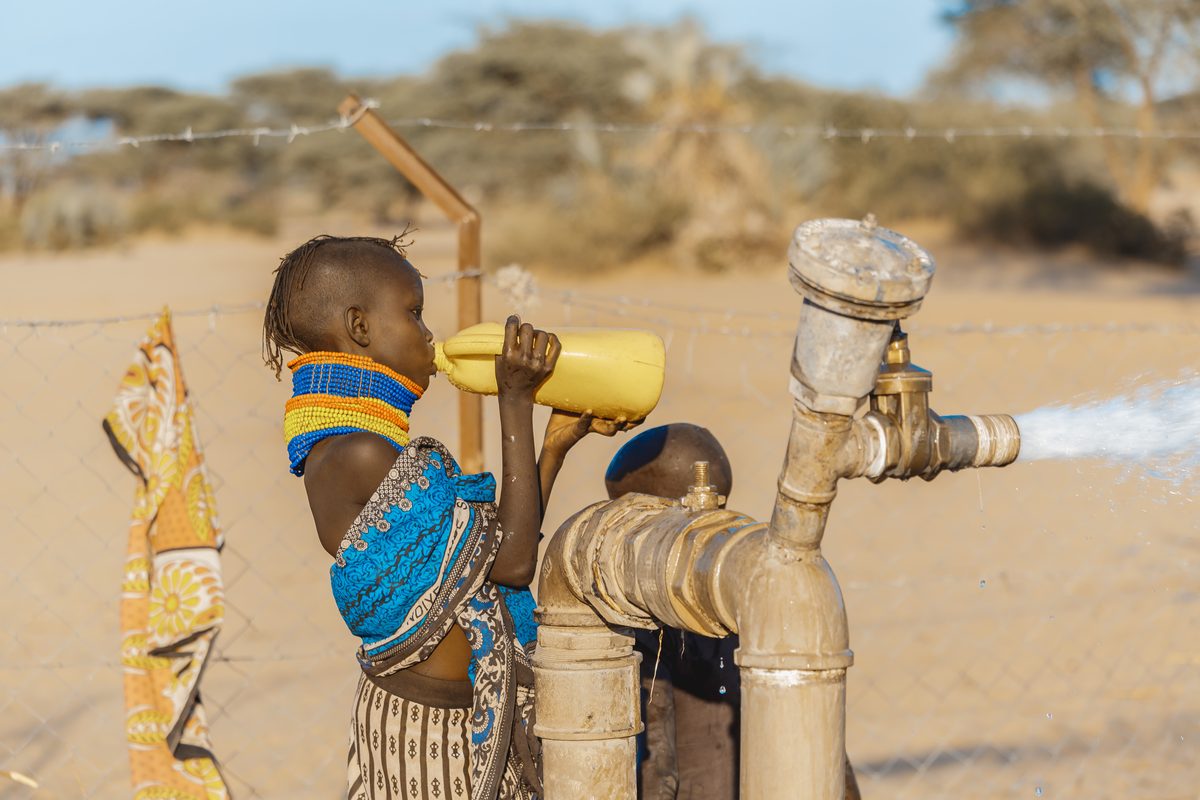
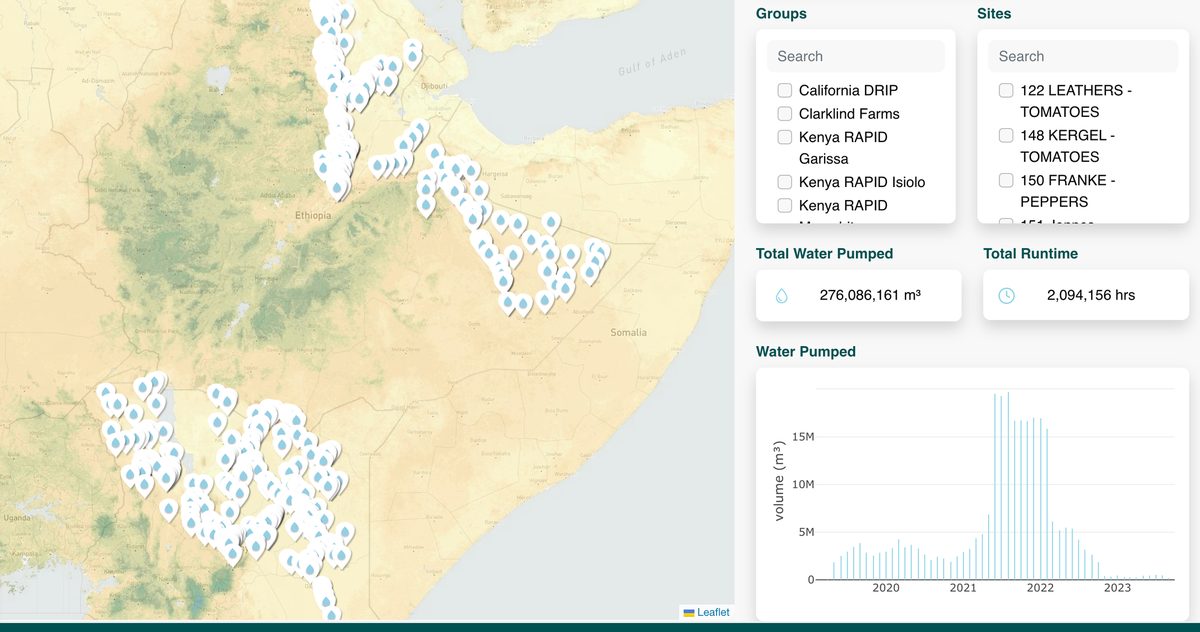
Satellite-connected borehole monitoring. 276M m³ water pumped, 2M+ runtime hours across Kenya.

Sustainable WASH SystemsDRIPUSAIDMillennium Water AllianceLifeStrawVirridy

Infrastructure Research

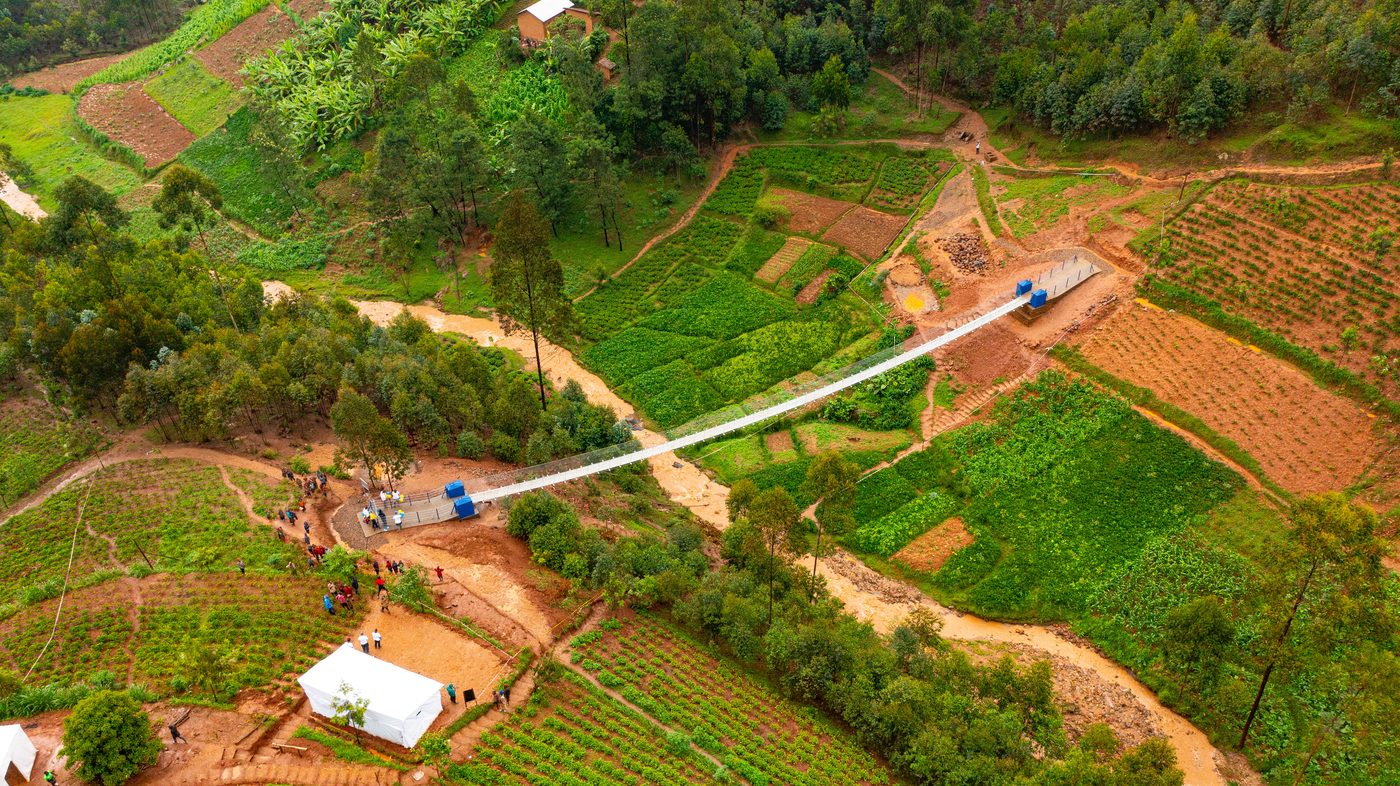
Bridge Rwanda

Impact Evaluation

Trail bridge impact in Rwanda—health, wealth, and education via remote sensing and geospatial analytics.

Trail bridge

Hazard-Resilient Infrastructure

Design and assessment for climate resilience, natural hazards, and sustainability in the built environment.
Geospatial

Geospatial Analytics & ML

ML tools for resource identification and management. Workforce maps, development planning, remote sensing.

NSF CO-WY Climate EngineNSF Convergence AcceleratorBridges to ProsperityNASAUSGSDeloitte

Country Targets

Rwanda
1.5M
School water supply & treatment
DR Congo
350K
Water supply, Bukavu
N. Kenya
1.5M
Boreholes (USAID/Swiss SDC)
W. Kenya
500K
Filters in schools
Madagascar
350K
Community water supply
Burundi
500K
Water supply
Tanzania
500K
Water supply
Total
5.2M
People targeted
USAIDSwiss SDCMillennium Water AllianceHelvetasAsiliWater MissionVirridyLifeStraw

Enrollment & Outcomes

300+ graduate-level alumni since 2006. 500+ undergraduate alumni since 2013.

Alumni by Program (2020–2025)

18
2020
26
2021
19
2022
36
2023
15
2024
13
2025
PhD
PMP
Certificate
Online Certificate

Alumni Jobs (2020–2025)

Technical / Engineering (48%)
Management (27%)
Research / Academia (11%)
Consulting (7%)
Other (7%)

Shifting Landscape

The global development landscape is changing rapidly. Understanding these shifts is important context for sustainability engineering careers.

USAID Closure (2025)

83% of USAID programs cut; agency officially closed July 2025. The U.S. funded ~47% of global humanitarian appeals. The Lancet projects 9.4M additional deaths by 2030.

Post-COVID Remote Work Shift

Remote job postings quadrupled (2.5% to 11%). Organizations hire locally rather than relocating international staff.

Broader U.S. Retrenchment

Withdrawal from the WHO and reduced engagement with the UN have contracted the institutional pipeline for international development careers.

Cascading Donor Cuts

Germany, France, Canada, and the UK have compounded cuts. OECD projects a 17% fall in total global aid from 2024.

Decolonization & Localization

Shift toward locally-led development prioritizes local hires over international staff. Essential for equity but reduces traditional expatriate roles.

Emerging Opportunities

Growing demand in climate tech, resilience engineering, carbon markets, and domestic infrastructure offers new pathways.

Why This Matters for You

Why This Matters for You

These forces are reshaping career paths in sustainability and development engineering. The need for skilled engineers in water, climate, and infrastructure has never been greater, even as traditional pathways shift. Understanding this landscape will help you make informed decisions about your education and career.

EVEN 2909: Introduction to Sustainability Engineering — CU Boulder

← Back to Course Home