EVEN 2909: Introduction to Sustainability Engineering
University of Colorado Boulder
This lecture introduces the professional field of Global Health, with a particular focus on how it connects to sustainability engineering. We will examine community environmental health -- the area where engineers most frequently contribute -- and explore how disease, poverty, water, sanitation, and air quality intersect with the engineering challenges you will encounter throughout this course.
We will examine published peer-reviewed studies of global health interventions. Learning how to search for, read, and analyze these kinds of studies is fundamental to being conversant in global health and sustainability engineering.
Key topics include the determinants of health, the global burden of disease, communicable disease transmission, and the environmental health factors -- air quality, water, and sanitation -- that sustainability engineers are uniquely positioned to address.
Professor
Mortenson Endowed Chair in Global Engineering
Director, Mortenson Center in Global Engineering
University of Colorado Boulder
Oregon Health and Science University
Fletcher School at Tufts University
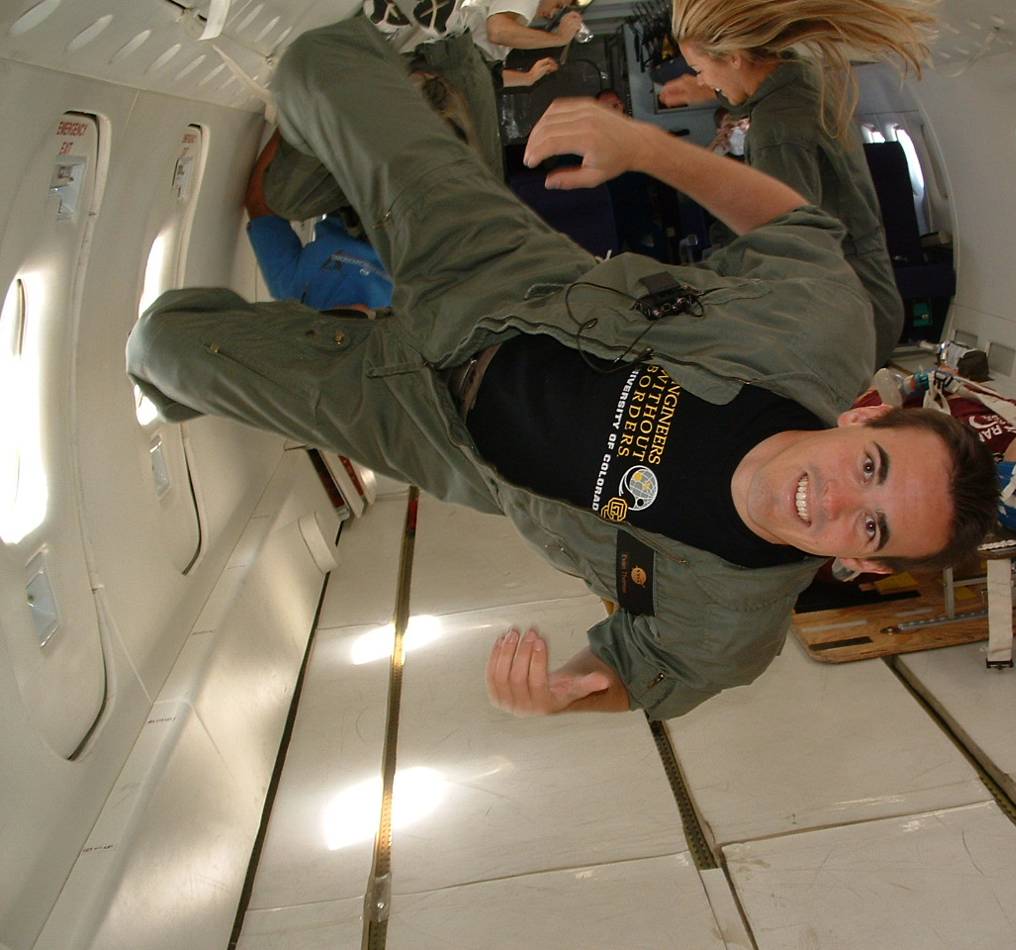
NASA Johnson Space Center, Aerospace Engineer, 2004-2010
Portland State University, Assistant/Associate Professor, 2010-2018
Virridy Inc, Founder and CEO, 2012 – Present
Manna Energy Limited / DelAgua Health, Founder, COO, 2007-2016
~80 journal articles, 10 patents, professional work in 16 countries
2025–2026: A period of unprecedented disruption to global health infrastructure.
Funding Landscape Shift
Traditional USAID-funded pathways for global engineering projects are disrupted. New funding models needed — carbon credits, private sector, multilateral alternatives.
Surveillance Gaps
Engineers working in water, sanitation, and environmental monitoring face a world with weaker disease surveillance and slower outbreak response.
Domestic & Global Nexus
EPA rollbacks demonstrate that environmental health is not just a developing-country issue. Air and water quality challenges affect communities everywhere.
Local Capacity Building
With reduced external support, building local technical and institutional capacity is more critical than ever for sustainable health outcomes.
Data & Evidence
Loss of federal data collection increases the importance of independent monitoring, sensor networks, and digital MRV systems.
Discussion
How should the sustainability engineering community respond to these changes? What role can universities and the private sector play?
"An area for study, research, and practice that places a priority on improving health and achieving equity in health for all people worldwide. Global health emphasizes transnational health issues, determinants, and solutions; involves many disciplines within and beyond the health sciences and promotes interdisciplinary collaboration; and is a synthesis of population-based prevention with individual-level clinical care." — Consortium of Universities for Global Health
Define the determinants, including social and economic, that impact health.
Highlight the differences in disease and life expectancy between high- and low-income countries.
Identify some of the dynamics in developing countries that impact health trends.
The determinants of health
The measurement of health status
The importance of culture to health
The global burden of disease
Key risk factors for health problems
Organisation of health systems
Disciplines: Public Health, Public Policy, Medicine, Social Sciences, Behavioural Sciences, Law, Economics, History, Engineering, Biomedical Sciences, Environmental Sciences, Anthropology
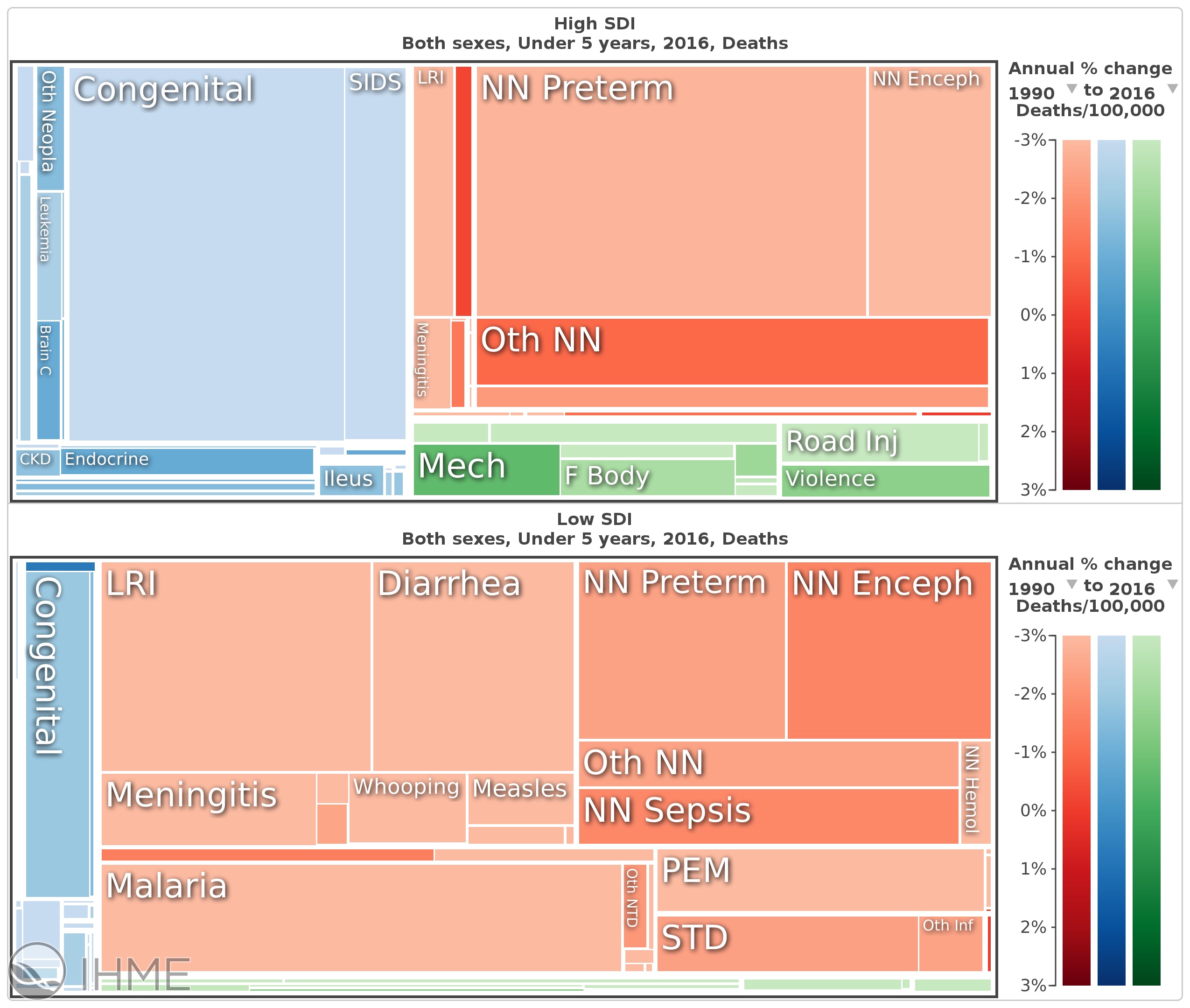
99% of the children under the age of 5 who die every year lived in developing countries.
Malnutrition
More susceptible to disease and less likely to recover
Cooking with wood and coal
Lung diseases
Poor sanitation
More intestinal infections
Poor life circumstances
Commercial sex work and STIs, HIV/AIDS
Advertising tobacco and alcohol
Addiction and related diseases
Rapid growth in vehicular traffic
Road traffic accidents
Governance has a direct impact on socioeconomic status, health inequalities, and development
The Results:
Health Implications:
Interactive tools for exploring the Global Burden of Disease: GBD Compare | SDG Visualizations | Our World in Data
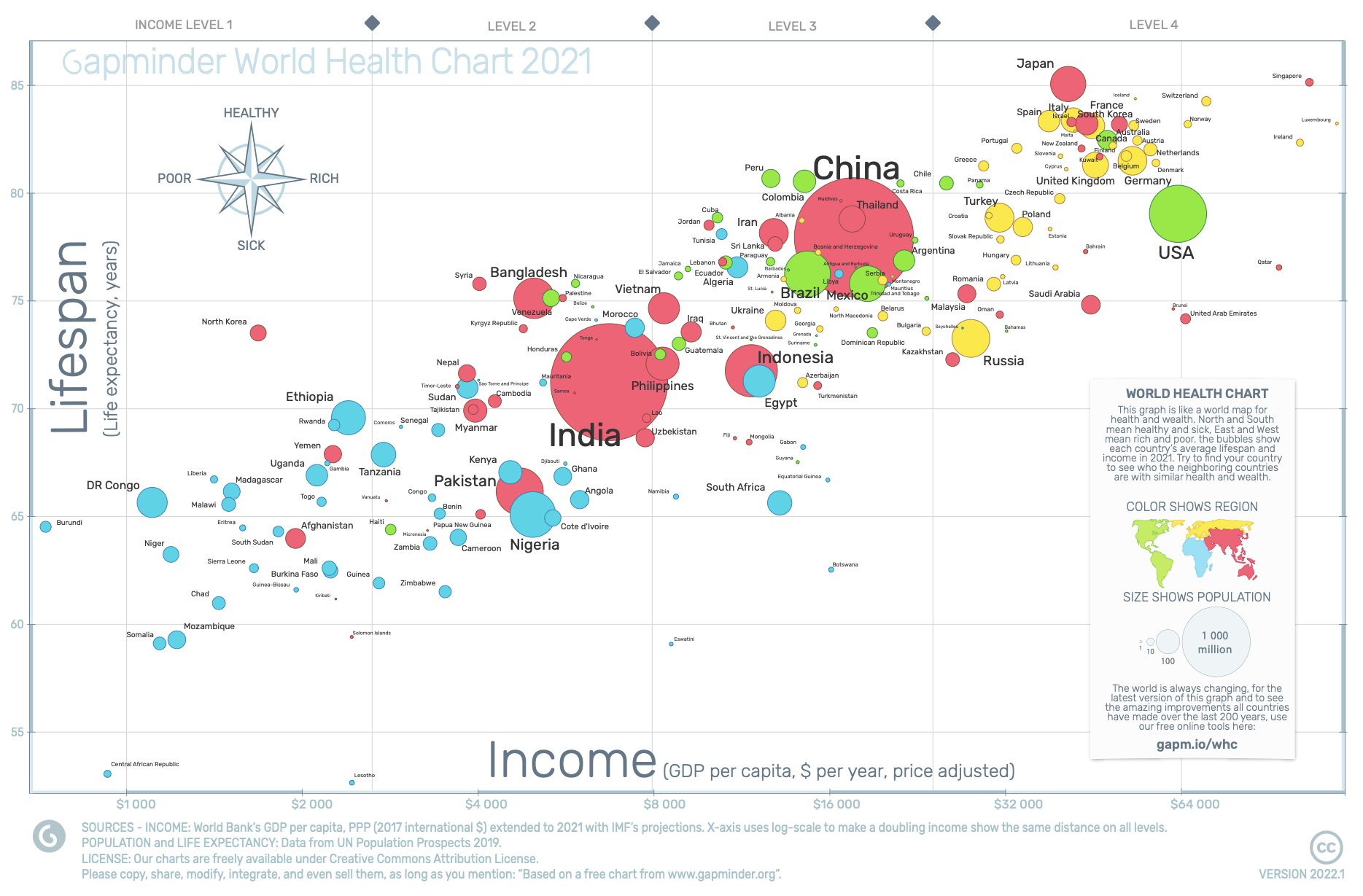
Life expectancy vs. GDP per capita. Bubble size = population, color = region. Source: World Bank / UN, 2023.
Total deaths by cause, 1990–2021. Sources: IHME GBD 2021, UNICEF IGME 2024, WHO Global Health Estimates.
Total under-5 deaths by cause, 1990–2021. Sources: IHME GBD 2021, WHO Africa Region, UNICEF IGME 2024.
People living below $2.15/day (2017 PPP). Sub-Saharan Africa is the only region where absolute numbers are rising. Source: World Bank, 2024. By 2030, 9 in 10 people in extreme poverty will live in Sub-Saharan Africa.
High-income countries have the highest per capita emissions, while low-income countries with the greatest disease burden contribute the least.
DALYs per 100,000 from all causes. Sub-Saharan Africa and South Asia bear the highest disease burden.
Share of population with insufficient caloric intake. Malnutrition is a key determinant of susceptibility to disease.
4.9 million children under age five died in 2022, 13,000 every day.
99% of children who die under the age of 5 are in low and middle income countries.
Defined as:
"Any condition which is transmitted directly or indirectly to a person from an infected person or animal through the agency of an intermediate animal, host, or vector, or through the inanimate environment."
Transmission is facilitated by the following (IOM):
Animal handling and feeding practices (Mad cow disease, Avian Influenza)
CDs account for about 30% of the global burden of disease and 60% of the burden of disease in Africa.
CDs typically affect low-income and middle-income countries disproportionately.
Most communicable diseases are preventable or treatable.
Disruption of family and social networks
Widespread stigma and discrimination
Orphans and vulnerable children
Interventions such as quarantine measures may aggravate the social disruption
At the macro level:
At the household level:
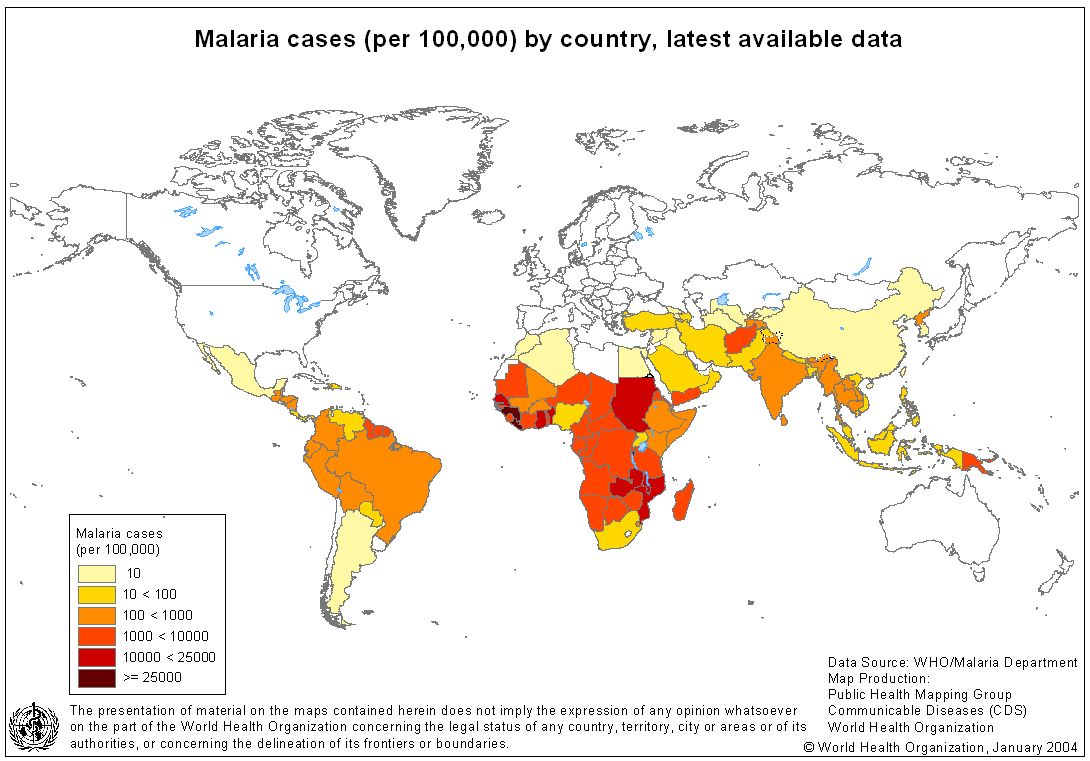
In 2022, there were an estimated 249 million malaria cases worldwide
In 2022, malaria killed an estimated 608,000 people. Malaria kills a child under 5 approximately every minute
40% of the world's population is at risk of malaria. Most cases and deaths occur in Sub-Saharan Africa.
Malaria is the 9th leading cause of death in LICs and MICs
Source: WHO World Malaria Report 2023
Malaria control strategies:
Challenges in malaria control:
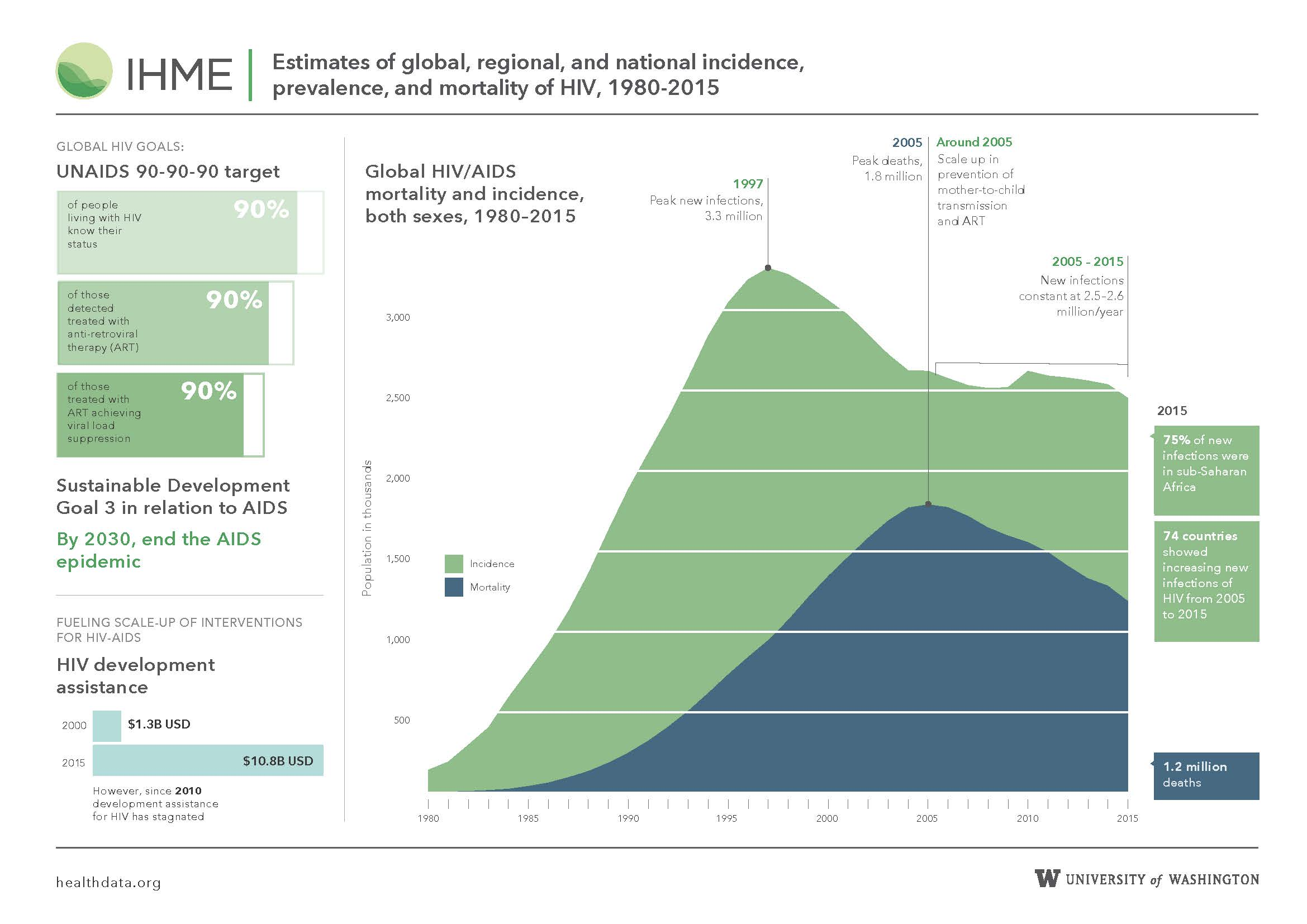
39.9 million people living with HIV (2023)
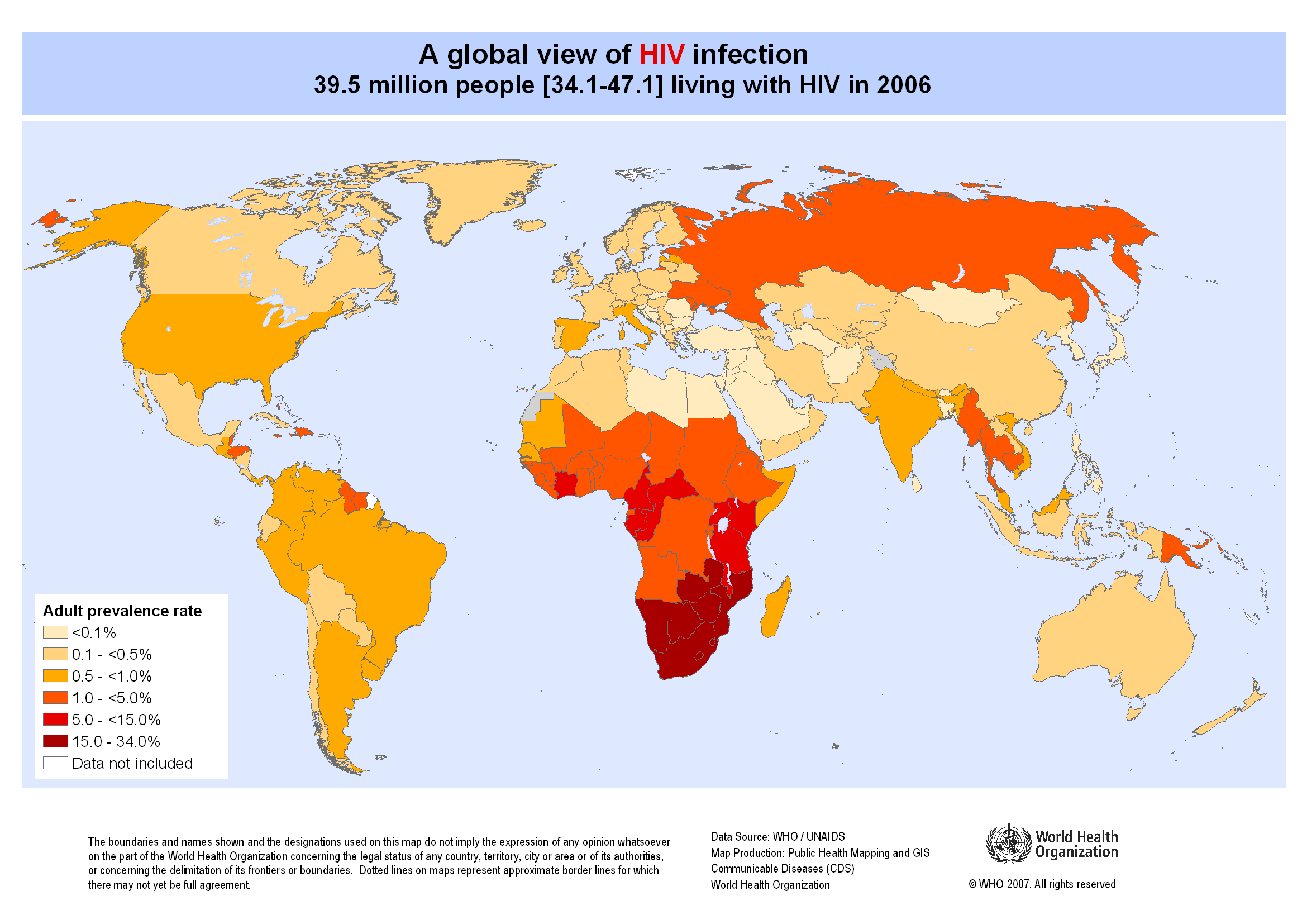
In 2023, 39.9 million people worldwide were living with HIV, of which 67% live in Sub-Saharan Africa
New infections occur predominantly among the 15-24 age group.
First identified in the early 1980s. Has affected over 85 million people since the start of the epidemic.
Source: UNAIDS Global AIDS Update 2023
Impact of TB on HIV:
HIV and Malaria:
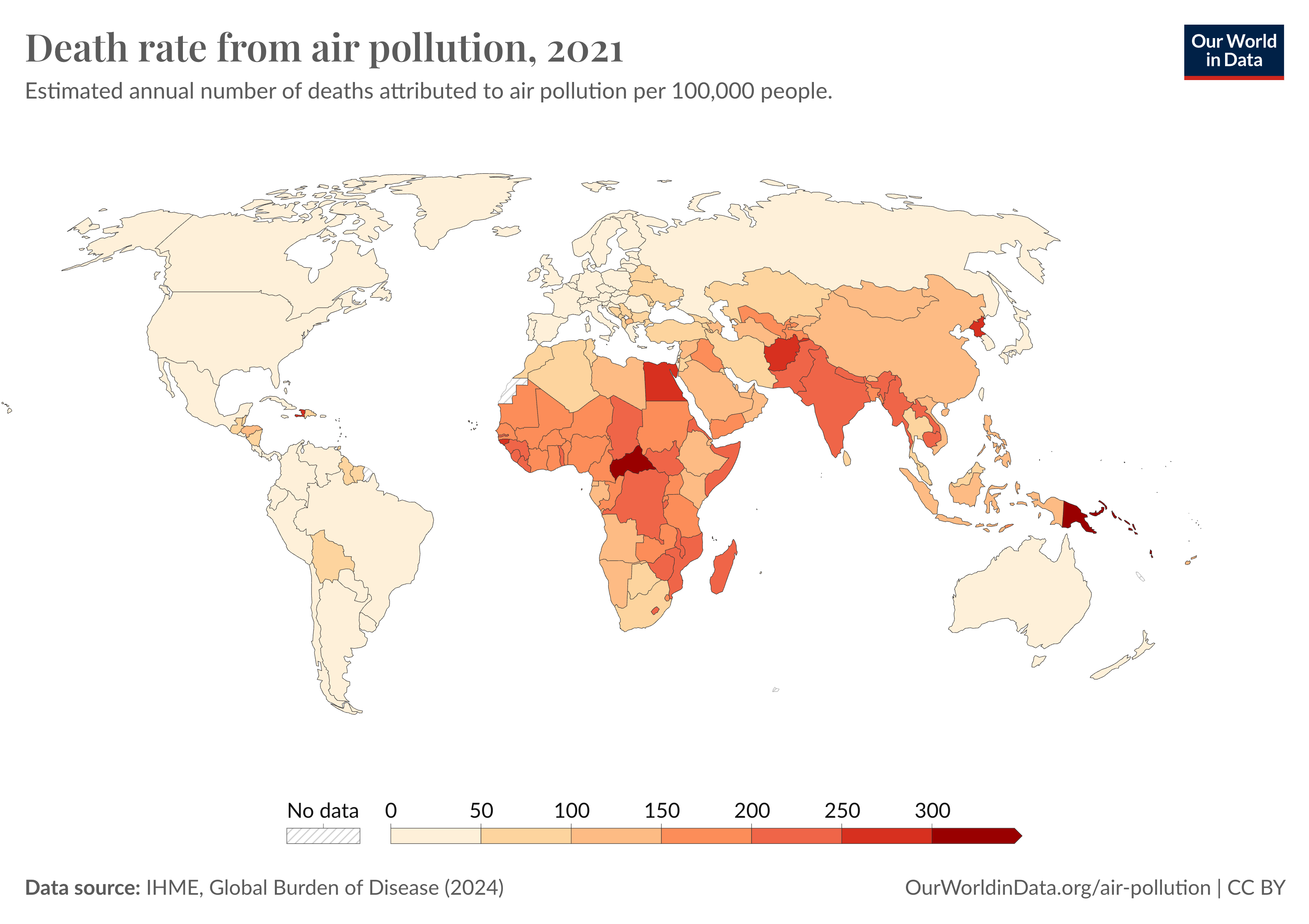
Air quality, water, and sanitation -- the areas where engineering interventions save the most lives.
Sustainability Engineering Connection: Indoor and outdoor air pollution are among the largest environmental risk factors for human health. Engineers play a critical role in designing cleaner cookstoves, improving ventilation, and developing air quality monitoring systems.
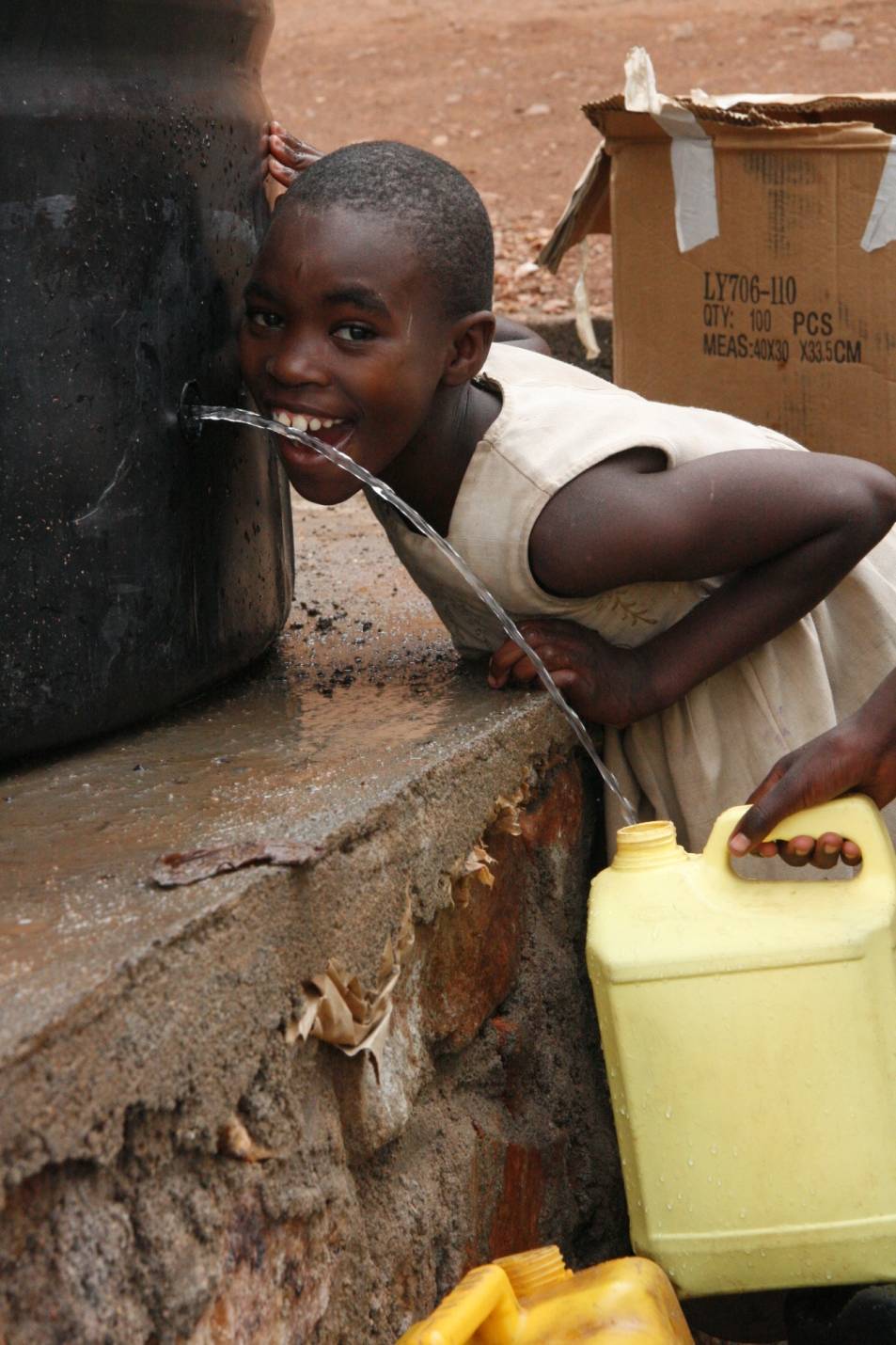
"No other single intervention in the history of medicine has saved as many lives and reduced as much suffering as the provisioning of uncontaminated water." — Paul Edward
One billion people in the world lack access to clean drinking water
Source: WHO, 2023
Minimum Standards:
EVEN 2909: Introduction to Sustainability Engineering — University of Colorado Boulder
Adapted from Global Health for Engineers, Mortenson Center in Global Engineering